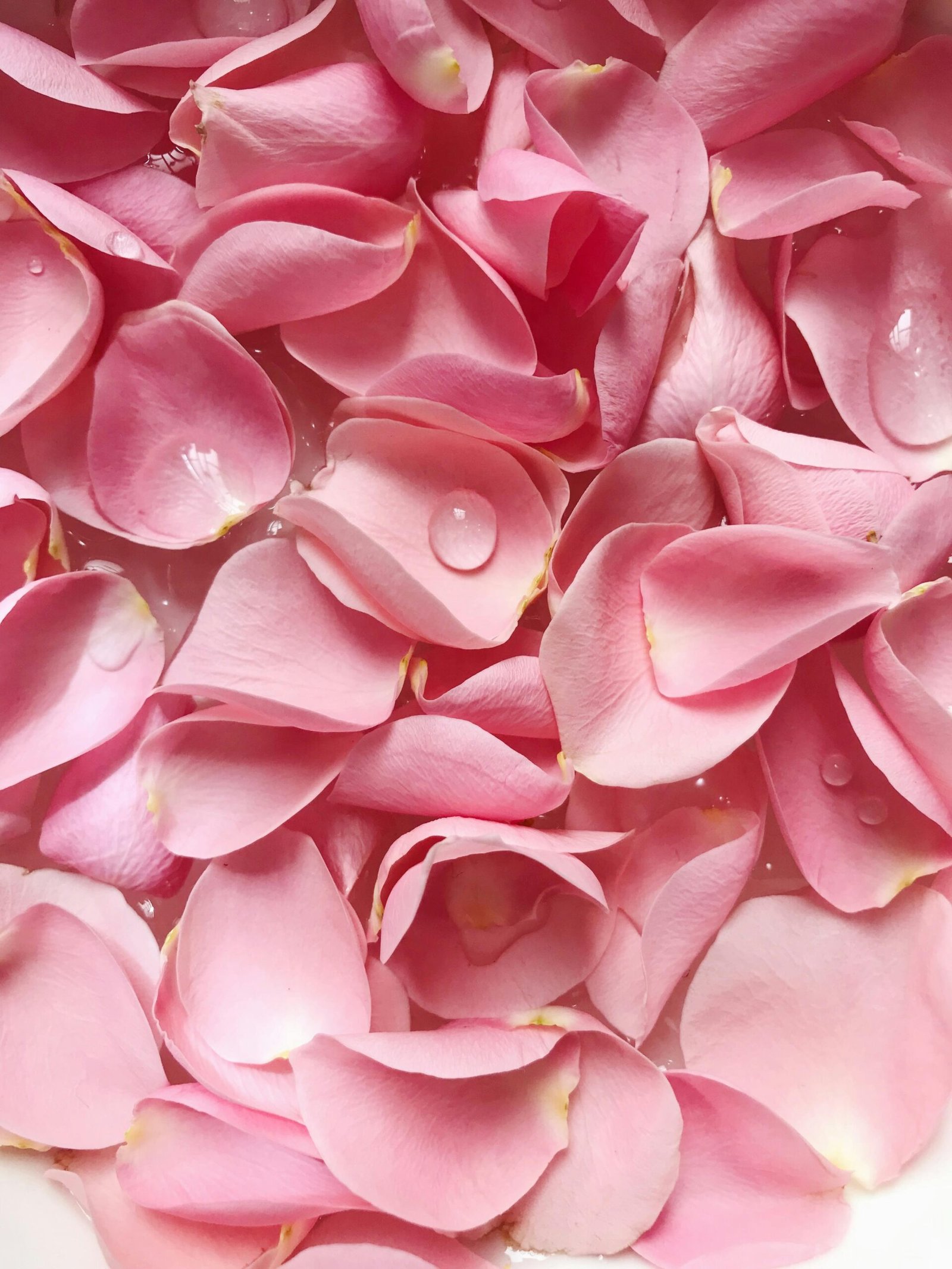
Pink Rose
Rosa spp

Plant Information
- 🏷️Common Names: Array
- 💧Water Needs: Moderate
- ☀️Sunlight: Full Sun
- 🌱Soil Type: Well draining loam
- 🌿Propagation: By stem cuttings, grafting, or layering during late spring.
- 🪴Care Tips: Provide full sun, well-draining soil, and consistent watering. Prune annually to encourage new blooms and apply organic mulch around the base. Feed with balanced fertilizer during growing months.
The Pink Rose (Rosa spp.) is one of the most iconic flowering plants in the world, renowned for its elegant pink blooms symbolizing love and grace, popular in gardens and bouquets worldwide. and timeless romantic symbolism. This versatile plant thrives in gardens, containers, and decorative landscapes, offering blooms that range from delicate blush tones to vivid magenta hues. In the context of the Pink Plant Guide, the Pink Rose embodies elegance, grace, and endurance combining ornamental charm with strong seasonal adaptability. Native to regions across Europe, Asia, and North America, the Pink Rose has been cultivated for centuries, with thousands of hybrids developed for specific climates, fragrance levels, and color intensity. Roses generally prefer temperate to warm environments with plenty of sunlight and nutrient-rich soil. In their natural habitat, they flourish in open meadows and forest edges where air circulation and drainage prevent disease. The Pink Rose displays an unmistakable bloom form characterized by concentric petals arranged in spirals or cupped layers. Colors vary across species and cultivars from pale pastel pinks that evoke softness and innocence to deep fuchsia and coral shades that suggest passion and energy. Leaves are typically serrated and deep green, creating a lush backdrop that enhances the vibrancy of the flowers. Thorns along the stems serve as natural protection but also contribute to the plant’s symbolic duality of beauty and strength. Cultivation and care of Pink Roses require consistent attention to soil health, sunlight exposure, and pruning. Roses thrive in well-draining loamy soil enriched with organic matter and compost. Full sunlight ideally six to eight hours daily ensures maximum bloom production and prevents fungal infections. During the growing season, regular watering keeps the soil evenly moist, but overwatering must be avoided. Mulching around the base helps retain moisture while discouraging weeds. Pruning is crucial for shaping the plant, removing dead wood, and encouraging new flowering shoots. Balanced fertilization every few weeks during active growth improves vigor, while disease-resistant cultivars can reduce the need for chemical treatments. Roses benefit from regular inspection for aphids, spider mites, and powdery mildew; organic sprays such as neem oil are effective preventive measures. The Pink Rose has both ornamental and cultural significance. It is used extensively in cut flower arrangements, perfumes, and skincare products due to its soothing aroma and aesthetic versatility. In the landscape, pink roses provide structure and visual rhythm, complementing other flowering species and groundcovers. They are also ideal for themed gardens from cottage to formal settings and perform beautifully as hedges or climbing features along trellises. During festive or seasonal displays, pink roses add elegance to Halloween, Valentine’s, or springtime compositions when paired with dark foliage or pastel companions. In conclusion, cultivating a Pink Rose requires patience, observation, and gentle care, yet the rewards are unmatched. Each bloom tells a story of resilience and refinement, making it a perfect addition to gardens focused on color harmony and sensory experience. When combined with thoughtful placement and seasonal maintenance, the Pink Rose remains a timeless ambassador of beauty and balance in both indoor and outdoor environments.
Gallery