Pink Hibiscus
Hibiscus rosa-sinensis
Plant Information
- 🏷️Common Names: Array
- 💧Water Needs: High
- ☀️Sunlight: Full Sun
- 🌱Soil Type: Loamy and well-draining
- 🌿Propagation: Softwood stem cuttings in warm, humid weather.
- 🪴Care Tips: Provide full sunlight and regular moisture. Fertilize monthly and prune after flowering to maintain shape.
Identification and Origin
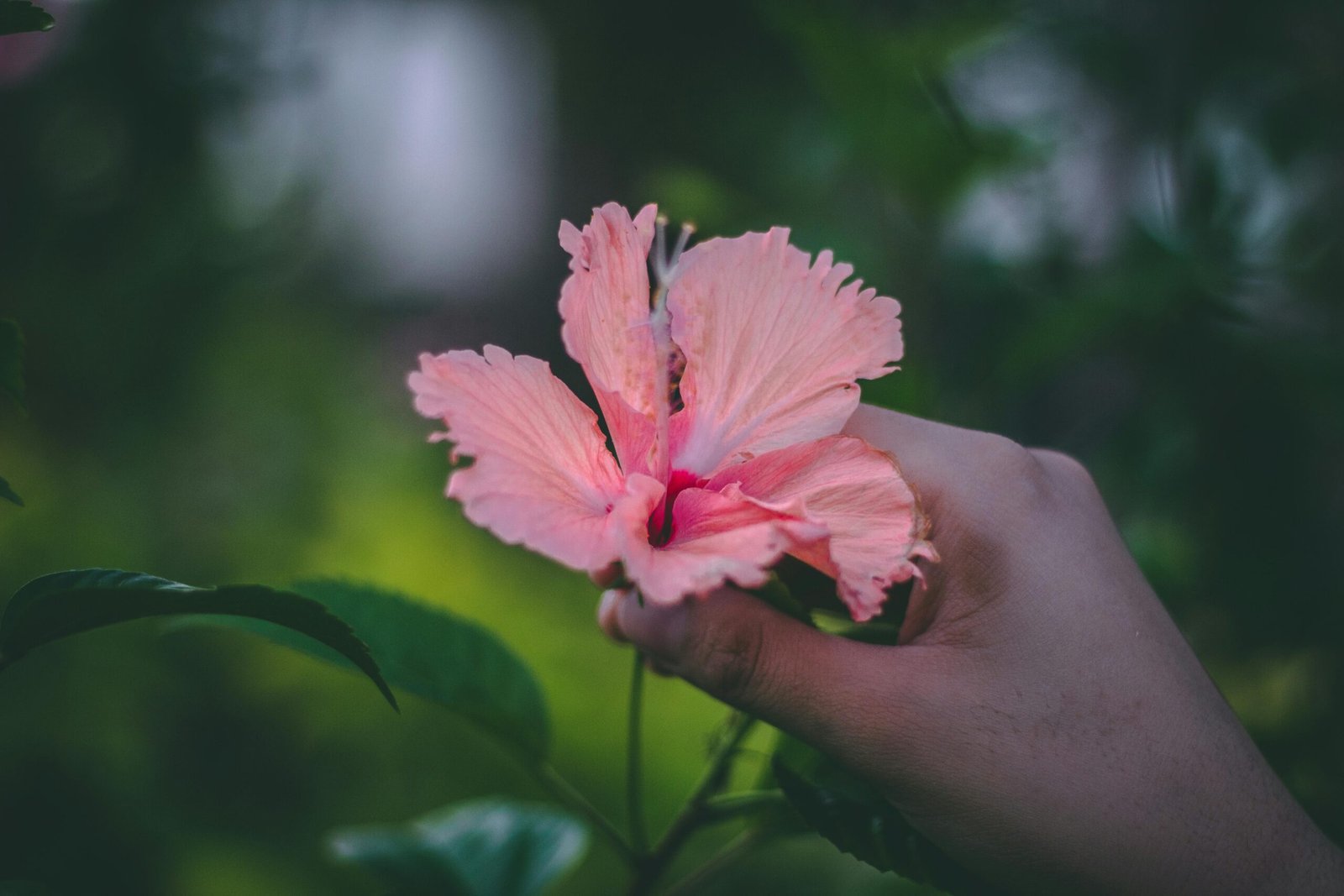
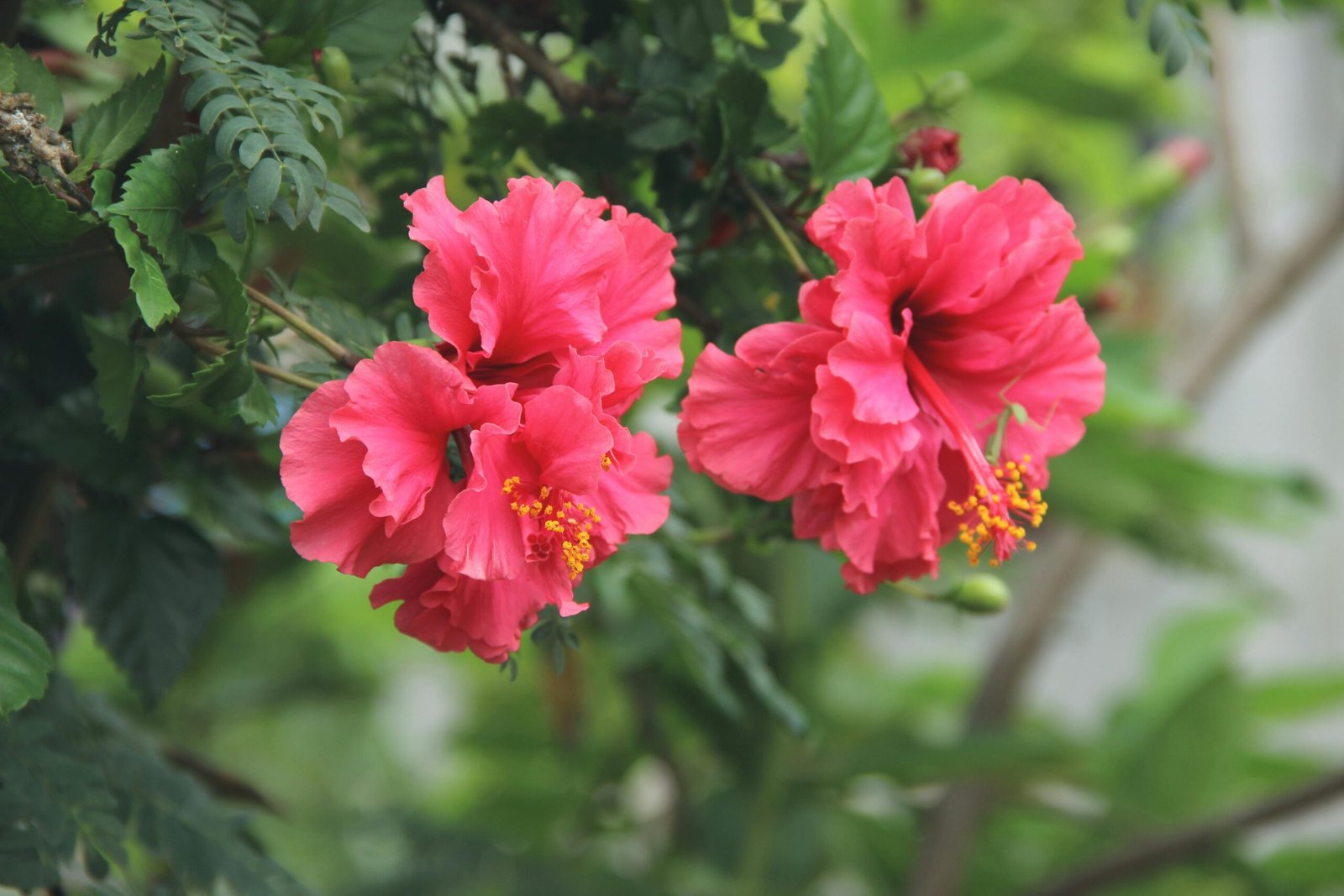
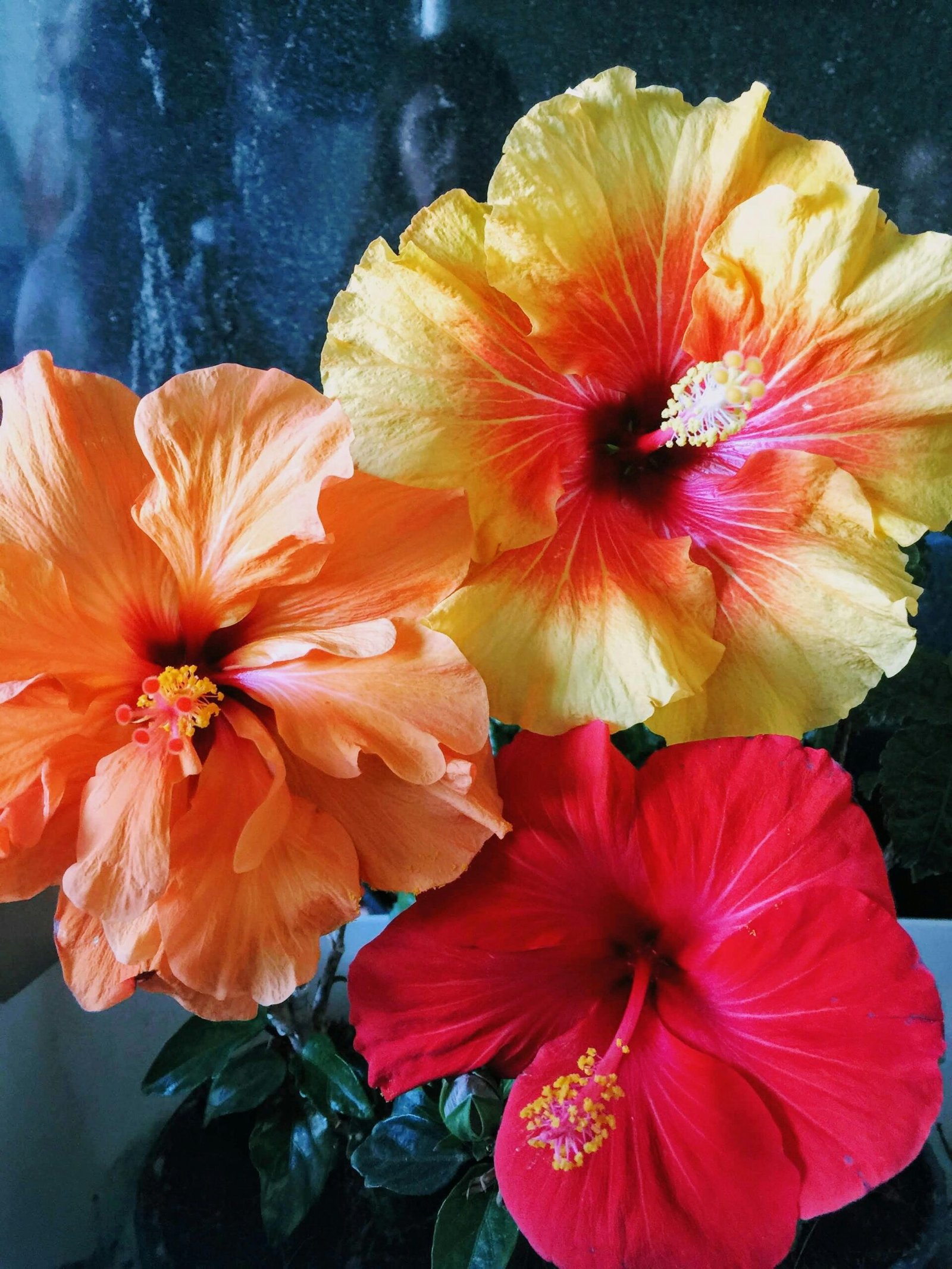
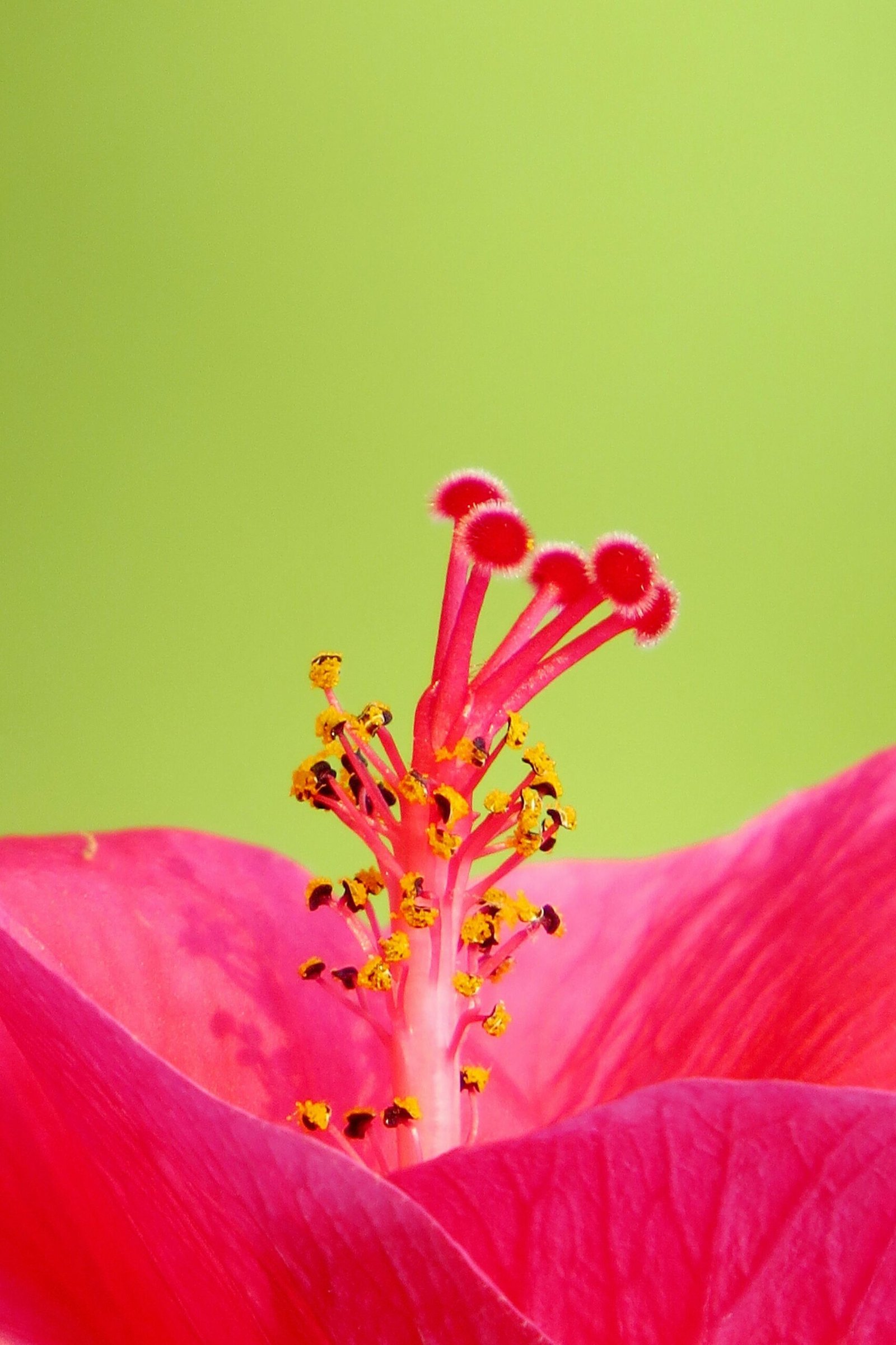
Hibiscus rosa-sinensis belongs to the Malvaceae family and is native to tropical Asia. Its large trumpet-shaped flowers are instantly recognizable for their vibrant petals and prominent staminal column. The plant has glossy, serrated leaves and a bushy habit. The pink variety is particularly prized for its soft yet radiant hue which lends a calming beauty to gardens. Historically, Hibiscus has been cultivated for ornamental use as well as for cultural and medicinal purposes in Asia and the Pacific Islands.
Habitat and Cultivation
Hibiscus thrives in sunny, warm environments with fertile, well-draining soil. It benefits from full sun exposure for at least six hours daily to maintain flower production. In its native habitat, it grows along roadsides, forest edges, and coastal zones. The plant appreciates regular watering and a humid atmosphere. In home gardens, it performs best when kept evenly moist but not waterlogged. Applying organic mulch helps maintain soil moisture and prevents root stress during hot seasons.
Growth, Size, and Structure
The Pink Hibiscus typically reaches two to three meters in height when mature, forming a rounded, dense shrub. Its growth rate is moderate to fast under favorable conditions. The flowers, which may reach fifteen centimeters in diameter, open early in the morning and last a single day, though new blooms appear continuously. The plant’s woody stems and lush foliage make it ideal as a specimen shrub, hedge, or background plant in tropical landscapes.
Care and Maintenance
Regular watering, pruning, and feeding are essential for sustained blooming. Pruning after flowering encourages fresh growth and abundant new buds. The plant prefers a balanced fertilizer high in potassium to support flower development. During dry or windy periods, extra watering may be needed. It should be sheltered from cold or frost, as temperatures below ten degrees Celsius can cause leaf loss. In tropical conditions, it remains evergreen, while in cooler climates it may be grown as a container plant moved indoors for winter.
Propagation and Uses
Hibiscus is commonly propagated by softwood cuttings taken from healthy new growth. Cuttings root easily in warm, moist soil with moderate humidity. Once established, the plant becomes resilient and blooms profusely with minimal care. In design, Pink Hibiscus serves as a centerpiece in garden beds or a cheerful addition to patio containers. Its flowers attract butterflies, bees, and hummingbirds, contributing to biodiversity. The plant’s enduring beauty and adaptability have made it a favorite for tropical and subtropical landscapes across the world.
Gallery