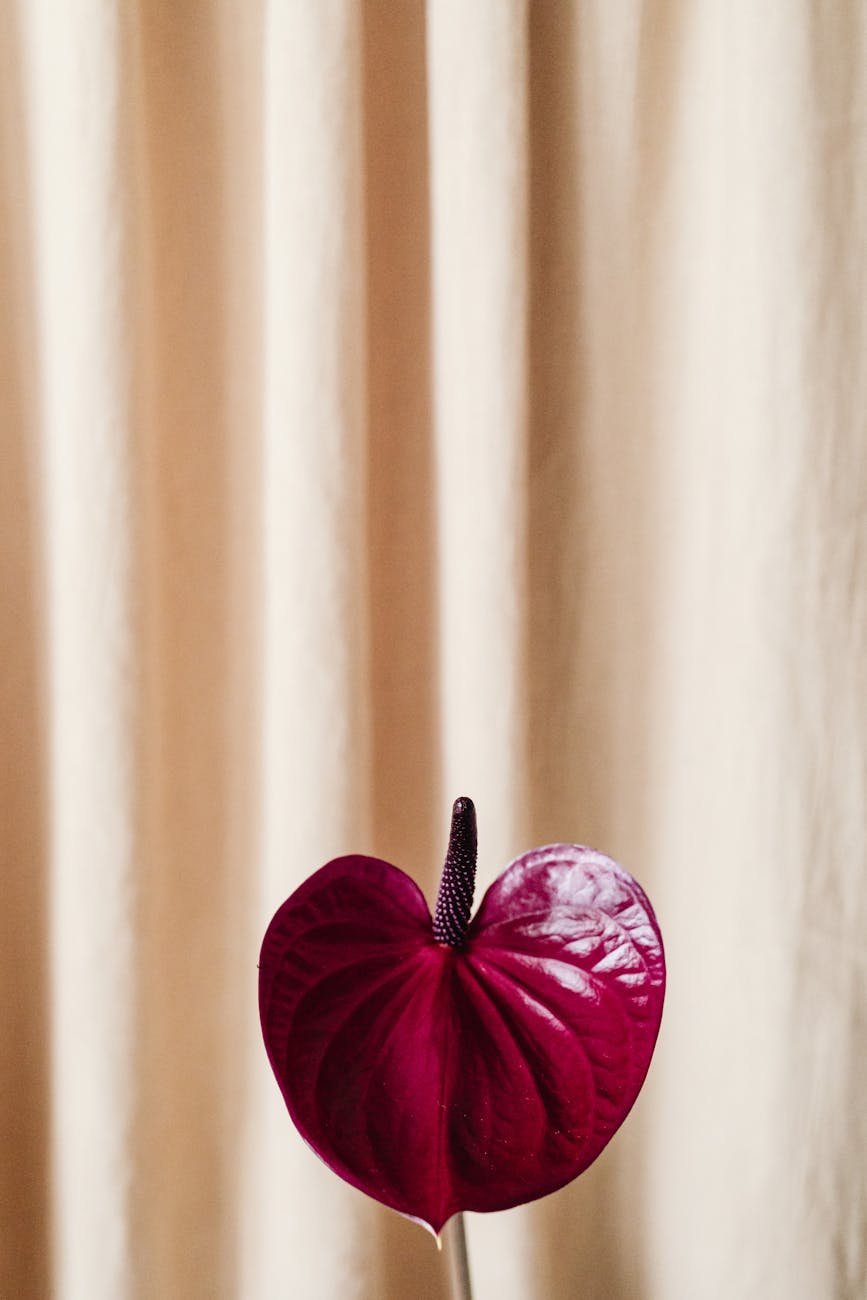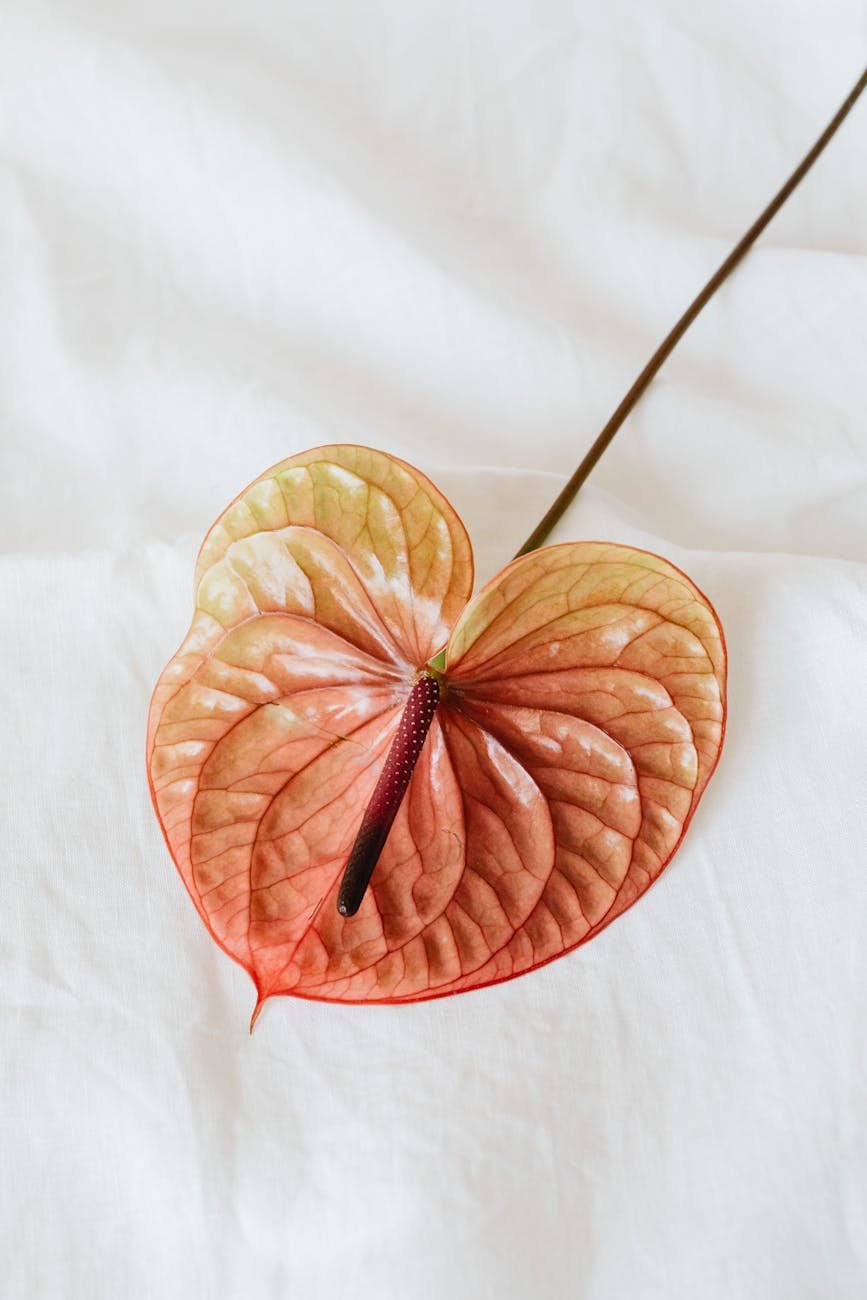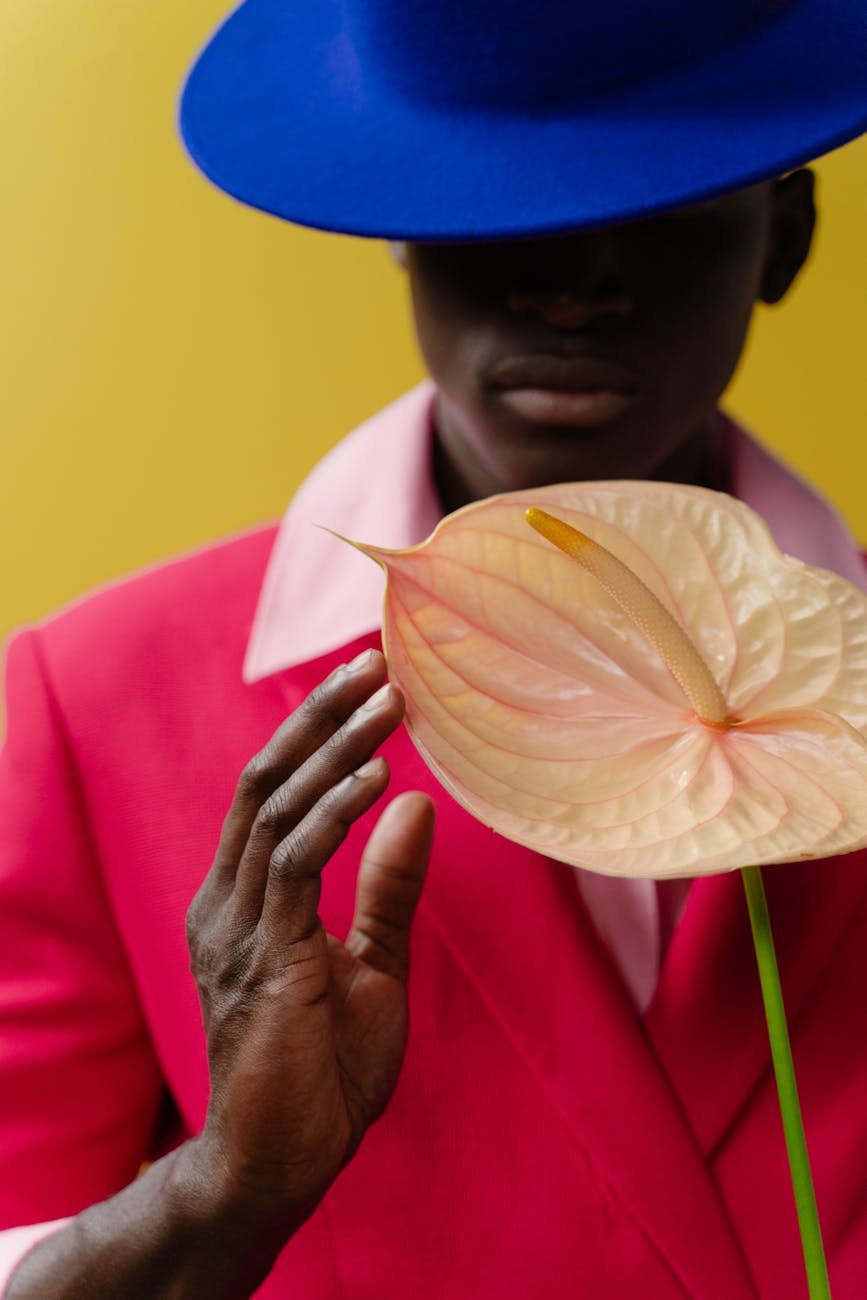
Anthurium Tickled Pink
Anthurium andraeanum 'Tickled Pink'
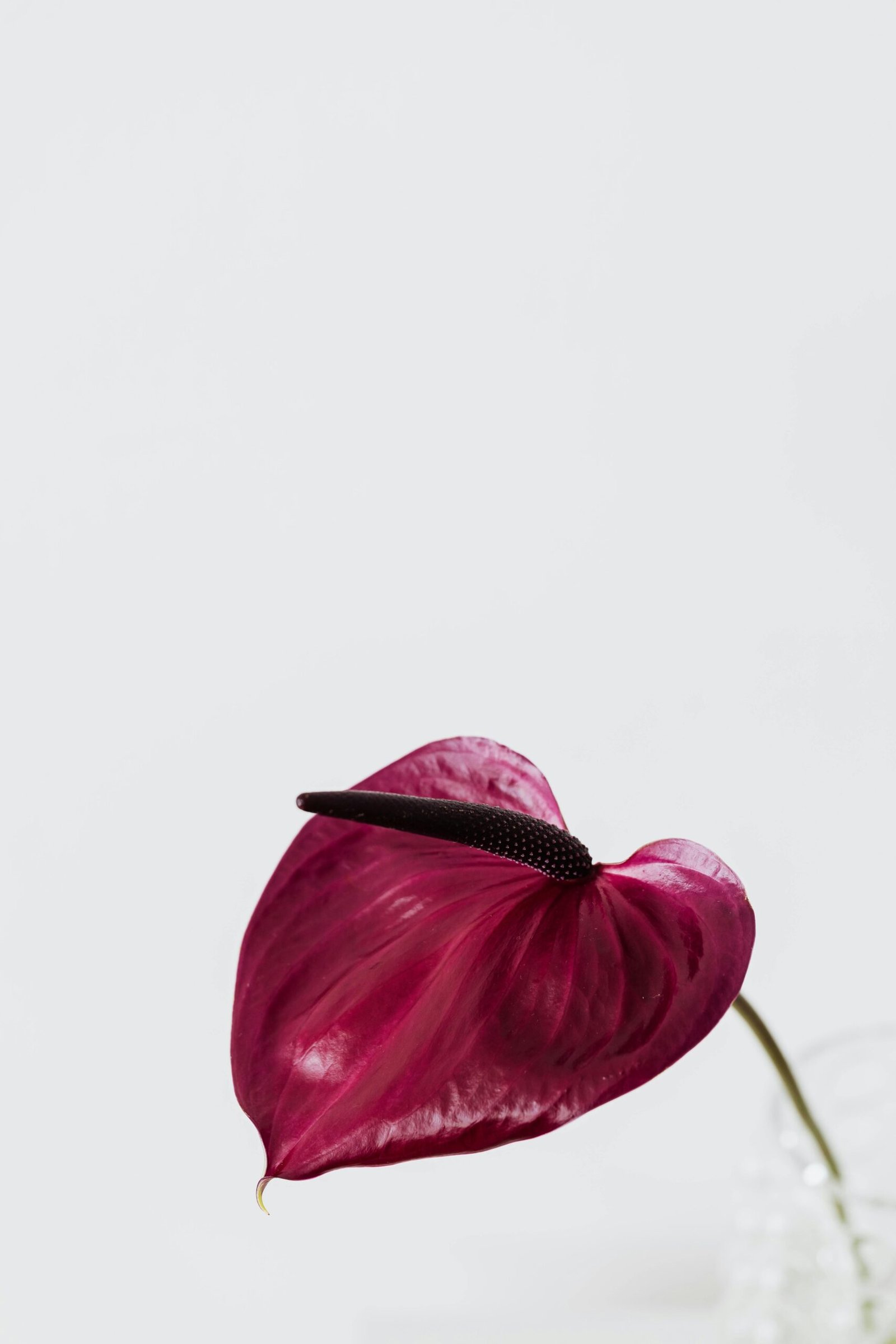
Plant Information
- 🏷️Common Names: Flamingo Flower, Painter's Palette
- 💧Water Needs: Medium
- ☀️Sunlight: Partial Shade
- 🌱Soil Type: Orchid mix, well-drained
- 🌿Propagation: Division of clumps or stem cuttings with aerial roots.
- 🪴Care Tips: Provide bright indirect light, water when the top layer of mix is dry, and ensure free drainage. Feed modestly in spring and summer.
Identification and Origin
Anthurium Tickled Pink, bearing the scientific name Anthurium andraeanum ‘Tickled Pink’, is a notable member of its botanical family. It is commonly recognized by several names, including Flamingo Flower, Painter’s Palette. This species originates from Tropical, where it has evolved to thrive in a particular set of ecological conditions. Its identifying characteristics include its unique leaf shape, coloration, and overall structure. The texture of its leaves, the pattern of its variegation, or the hue of its blossoms are key markers for identification.
Habitat and Cultivation
In its native habitat, Anthurium andraeanum ‘Tickled Pink’ is typically found in environments ranging from tropical rainforests to arid slopes, which informs its cultivation requirements. To grow this plant successfully, it is crucial to replicate these conditions. It requires Partial Shade, which is essential for photosynthesis and maintaining the vibrancy of its foliage or flowers. The plant’s health is also heavily dependent on its watering regimen; it needs Medium. Over- or under-watering can lead to significant health issues. The ideal growing medium is Orchid mix, well-drained, which provides the necessary balance of moisture retention, drainage, and nutrients.
Growth, Size, and Structure
The growth habit of Anthurium Tickled Pink varies, from compact rosettes to climbing vines or woody shrubs. Under optimal conditions, it can reach a mature size that makes it a versatile choice for different spaces. Its rate of growth is typically moderate, with more vigorous growth occurring during its active season in spring and summer. The architectural structure of the plant makes it suitable for various horticultural uses, from ground cover to a statement centerpiece.
Care and Maintenance
Consistent care is key to a thriving Anthurium Tickled Pink. Beyond light and water, it appreciates specific atmospheric conditions. It prefers a humidity level that mirrors its native environment and stable temperatures. Feeding should be done judiciously, typically with a balanced fertilizer during the growing season. Pruning may be necessary to maintain its shape, remove dead or damaged foliage, or encourage bushier growth. Repotting is required when the plant becomes root-bound, usually every 1-2 years. It is important to research whether the plant is toxic to pets or humans. It can be susceptible to common pests such as spider mites and mealybugs, and diseases like root rot if overwatered.
Propagation and Uses
Propagation of Anthurium andraeanum ‘Tickled Pink’ is often achievable through methods such as Division of clumps or stem cuttings with aerial roots.. This allows gardeners to multiply their stock or share with others. In landscaping and interior design, Anthurium Tickled Pink is valued for its aesthetic contributions. It can be used to add color, texture, and form to a garden bed, a container arrangement, or an indoor plant display. Its resilience and ornamental qualities have made it a popular choice for both private and public gardens.
Gallery