Pink Plants Safe for Pets: 15 Non-Toxic Varieties

Beautiful pink plants that are 100% safe for cats, dogs, and other pets.

Discover the world of pink plants — from indoor beauties to outdoor blooms, they bring color, calm, and charm to any setting.

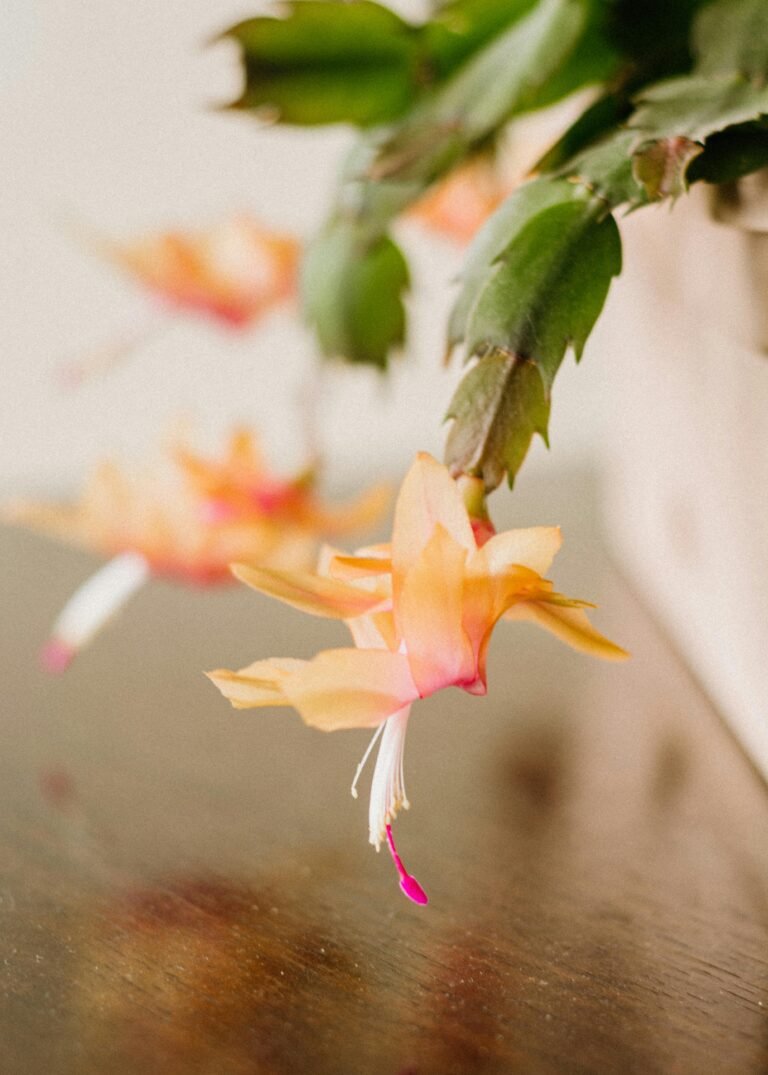
Christmas Cactus

Christmas Cactus (Schlumbergera truncata) is a distinguished plant celebrated for its unique ornamental features and horticultural value. Often known by names such as Christmas Cactus, Pink Christmas Cactus, this species is prized for its striking foliage, vibrant flowers, or distinctive growth habit. Native to Mediterranean, it has adapted to specific environmental conditions but has proven to be a versatile addition to gardens and indoor collections worldwide. Successful cultivation depends on providing conditions that mimic its natural habitat, particularly regarding Full Sun and Medium. Its structural form and visual appeal make it a focal point in landscape design, container gardening, or as a standalone specimen. Beyond its beauty, Christmas Cactus offers a rewarding experience for the diligent gardener, showcasing seasonal changes and steady growth when its fundamental needs for light, water, and proper soil are met, making it a subject of interest for both botanists and hobbyists.
Hoya Krimson Queen

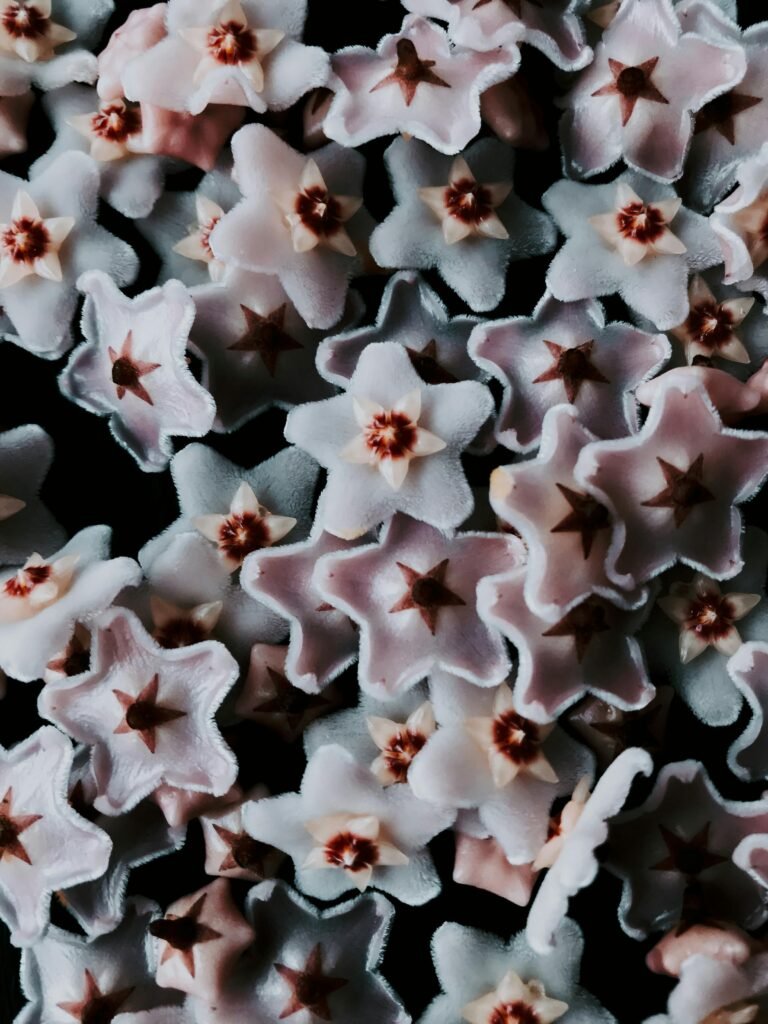
Hoya Krimson Queen (Hoya carnosa ‘Krimson Queen’) is a distinguished plant celebrated for its unique ornamental features and horticultural value. Often known by names such as Wax Plant, Porcelain Flower, this species is prized for its striking foliage, vibrant flowers, or distinctive growth habit. Native to Tropical, it has adapted to specific environmental conditions but has proven to be a versatile addition to gardens and indoor collections worldwide. Successful cultivation depends on providing conditions that mimic its natural habitat, particularly regarding Partial Shade and Low. Its structural form and visual appeal make it a focal point in landscape design, container gardening, or as a standalone specimen. Beyond its beauty, Hoya Krimson Queen offers a rewarding experience for the diligent gardener, showcasing seasonal changes and steady growth when its fundamental needs for light, water, and proper soil are met, making it a subject of interest for both botanists and hobbyists.
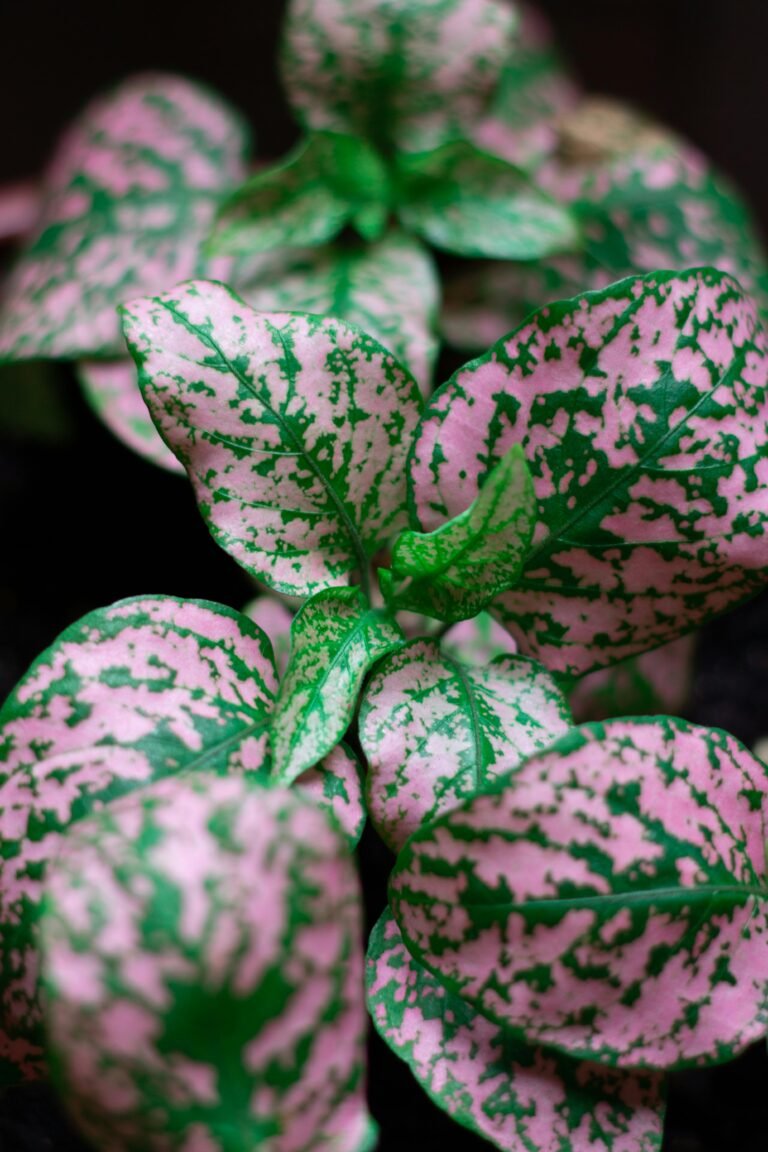
Fittonia Albivenis Pink Nerve Plant

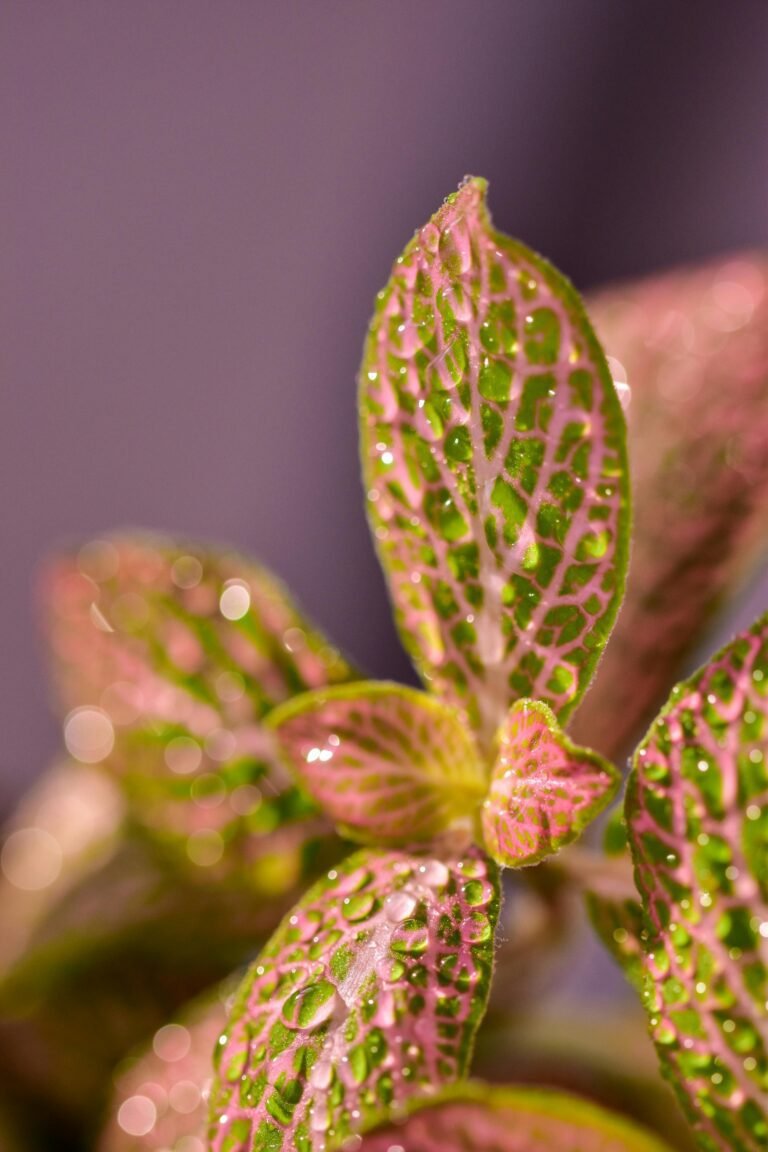
Fittonia Albivenis Pink Nerve Plant (Fittonia albivenis) is a distinguished plant celebrated for its unique ornamental features and horticultural value. Often known by names such as Nerve Plant, Mosaic Plant, this species is prized for its striking foliage, vibrant flowers, or distinctive growth habit. Native to Tropical, it has adapted to specific environmental conditions but has proven to be a versatile addition to gardens and indoor collections worldwide. Successful cultivation depends on providing conditions that mimic its natural habitat, particularly regarding Shade and High. Its structural form and visual appeal make it a focal point in landscape design, container gardening, or as a standalone specimen. Beyond its beauty, Fittonia Albivenis Pink Nerve Plant offers a rewarding experience for the diligent gardener, showcasing seasonal changes and steady growth when its fundamental needs for light, water, and proper soil are met, making it a subject of interest for both botanists and hobbyists.
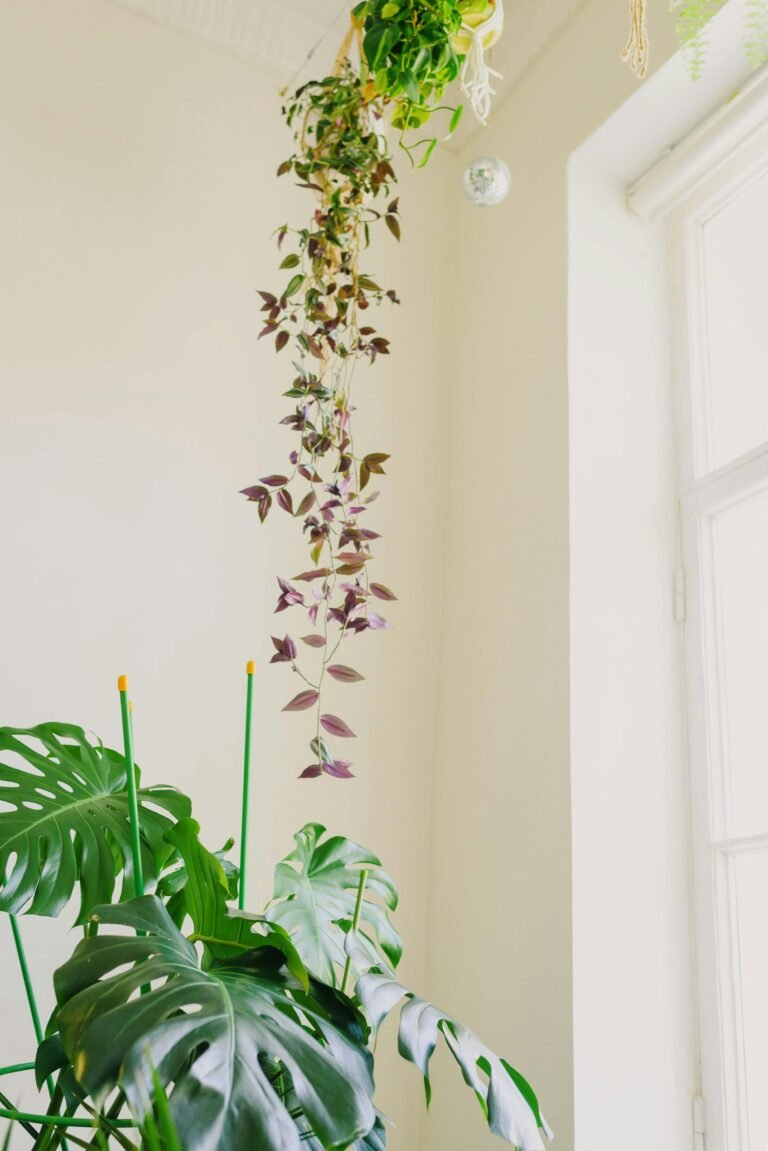
String of Hearts Variegated

String of Hearts Variegated (Ceropegia woodii ‘Variegata’) is a distinguished plant celebrated for its unique ornamental features and horticultural value. Often known by names such as Variegated String of Hearts, this species is prized for its striking foliage, vibrant flowers, or distinctive growth habit. Native to Tropical, it has adapted to specific environmental conditions but has proven to be a versatile addition to gardens and indoor collections worldwide. Successful cultivation depends on providing conditions that mimic its natural habitat, particularly regarding Partial Shade and Low. Its structural form and visual appeal make it a focal point in landscape design, container gardening, or as a standalone specimen. Beyond its beauty, String of Hearts Variegated offers a rewarding experience for the diligent gardener, showcasing seasonal changes and steady growth when its fundamental needs for light, water, and proper soil are met, making it a subject of interest for both botanists and hobbyists.
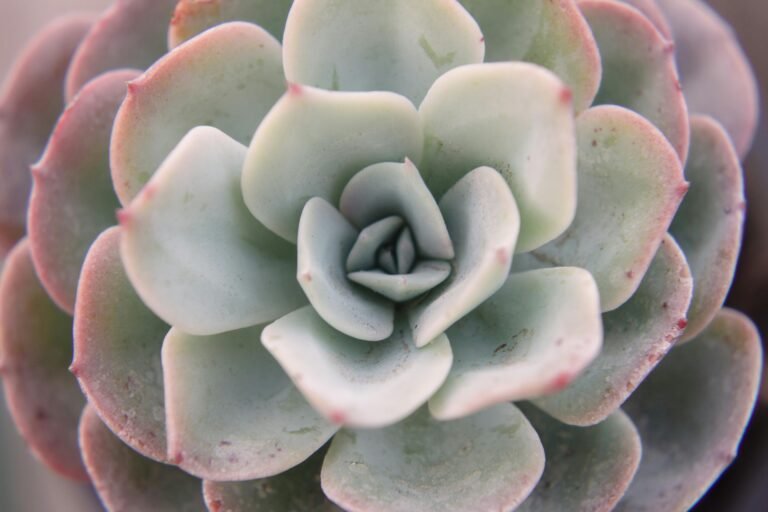
Ghost Plant

Ghost Plant (Graptopetalum paraguayense) is a distinguished plant celebrated for its unique ornamental features and horticultural value. Often known by names such as Ghost Plant, Pink Ghost Plant, this species is prized for its striking foliage, vibrant flowers, or distinctive growth habit. Native to Mediterranean, it has adapted to specific environmental conditions but has proven to be a versatile addition to gardens and indoor collections worldwide. Successful cultivation depends on providing conditions that mimic its natural habitat, particularly regarding Partial Shade and Medium. Its structural form and visual appeal make it a focal point in landscape design, container gardening, or as a standalone specimen. Beyond its beauty, Ghost Plant offers a rewarding experience for the diligent gardener, showcasing seasonal changes and steady growth when its fundamental needs for light, water, and proper soil are met, making it a subject of interest for both botanists and hobbyists.
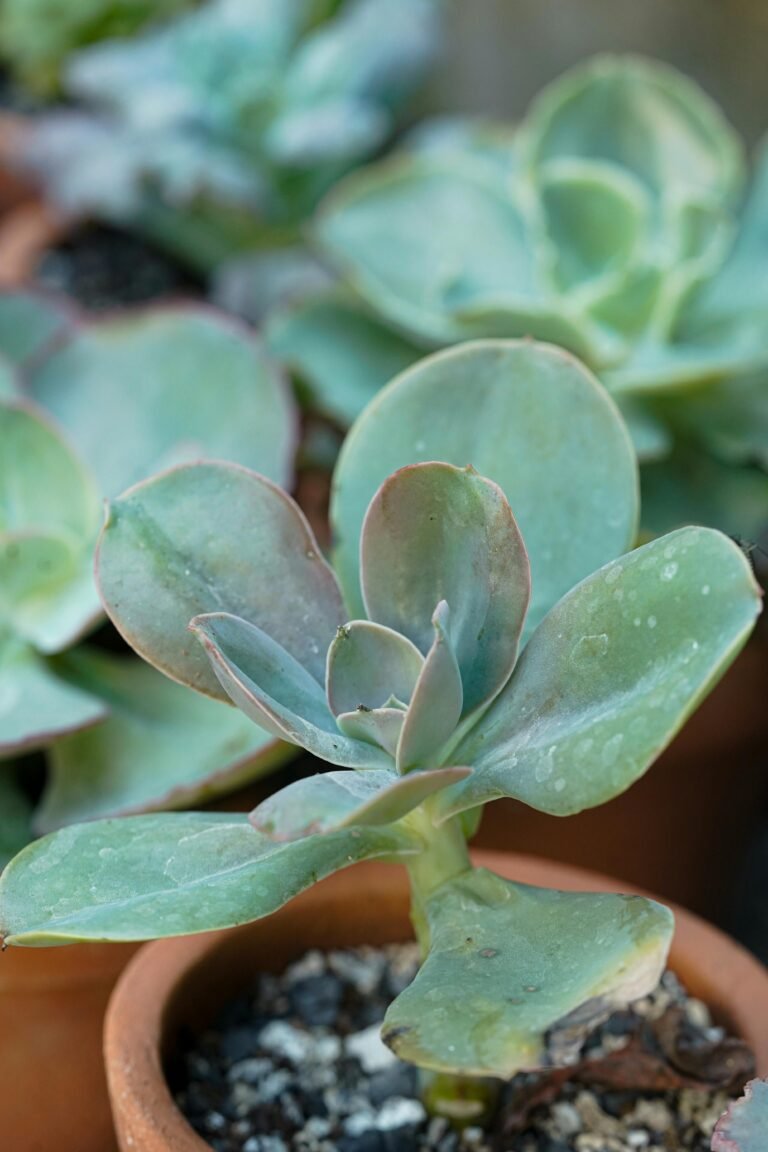
Million bells (pink)

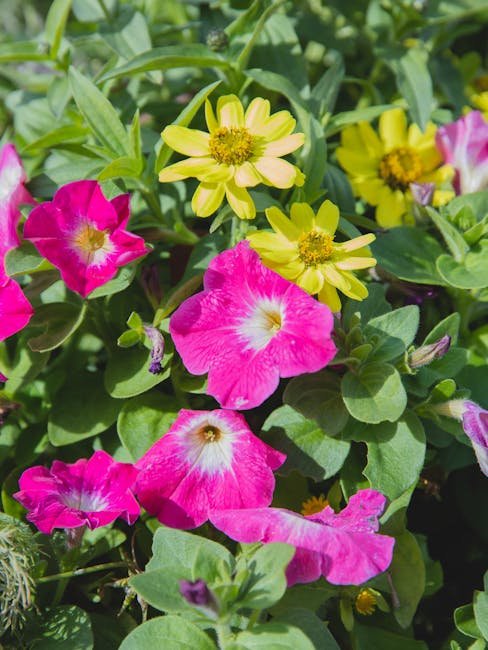
Esteemed for its variegated pink and white petals and an approachable habit, Million bells (pink) (Calibrachoa ‘Million Bells’) is a flowers prized by gardeners across the United States. Blooming in spring-summer, this plant makes a striking focal point in borders and mixed beds. Its petals are often described as soft pastel pinks, and varieties range from compact groundcovers to larger specimen plants. Gardeners appreciate it for its dependable bloom display and ease of care in the right conditions, and it’s commonly available in nurseries and garden centers. When selecting a planting location, look for a site with good soil and the correct light exposure to bring out the best color and floriferousness. Overall, this pink variety delivers both aesthetic appeal and reliable garden performance, whether used in mixed borders, containers, or as a standout specimen. With a little attention to soil and water, it rewards gardeners with a generous display every season.

Petunia (pink)

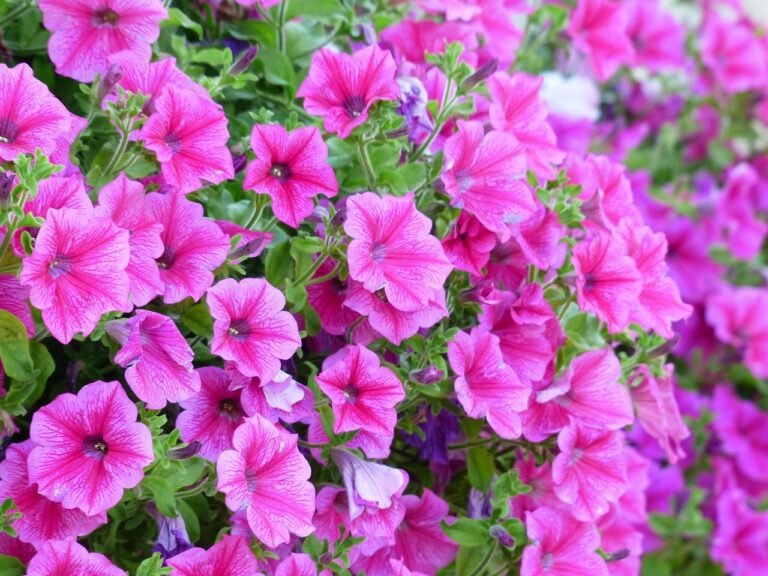
Renowned for its variegated pink and white petals and an approachable habit, Petunia (pink) (Petunia × atkinsiana) is a flowers prized by gardeners across the United States. Blooming in spring-summer, this plant is a classic choice for mass plantings and cut flowers. Its petals are often described as variegated pink and white petals, and varieties range from compact groundcovers to larger specimen plants. Gardeners appreciate it for its dependable bloom display and ease of care in the right conditions, and it’s commonly available in nurseries and garden centers. When selecting a planting location, look for a site with good soil and the correct light exposure to bring out the best color and floriferousness. Overall, this pink variety delivers both aesthetic appeal and reliable garden performance, whether used in mixed borders, containers, or as a standout specimen. With a little attention to soil and water, it rewards gardeners with a generous display every season.

Zinnia

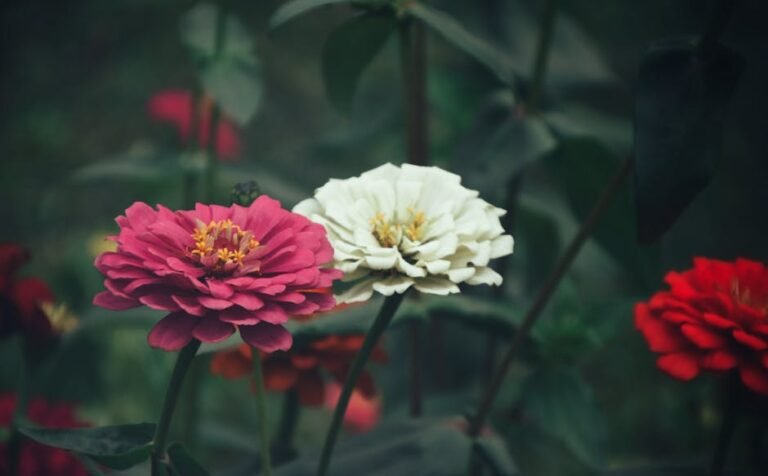
Renowned for its vivid magenta tones and an approachable habit, Zinnia (Zinnia elegans) is a flowers prized by gardeners across the United States. Blooming in spring-summer, this plant brings bright, uplifting color to cottage and formal gardens. Its petals are often described as vivid magenta tones, and varieties range from compact groundcovers to larger specimen plants. Gardeners appreciate it for its dependable bloom display and ease of care in the right conditions, and it’s commonly available in nurseries and garden centers. When selecting a planting location, look for a site with good soil and the correct light exposure to bring out the best color and floriferousness. Overall, this pink variety delivers both aesthetic appeal and reliable garden performance, whether used in mixed borders, containers, or as a standout specimen. With a little attention to soil and water, it rewards gardeners with a generous display every season.

Nasturtium (pink varieties)

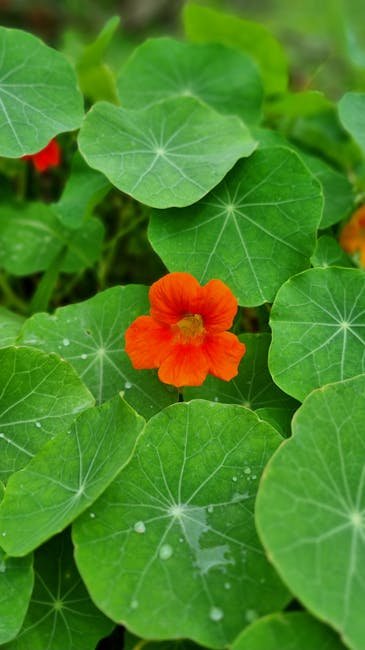
Admired for its delicate blush pink petals and an approachable habit, Nasturtium (pink varieties) (Tropaeolum majus) is a flowers prized by gardeners across the United States. Blooming in spring-summer, this plant makes a striking focal point in borders and mixed beds. Its petals are often described as variegated pink and white petals, and varieties range from compact groundcovers to larger specimen plants. Gardeners appreciate it for its dependable bloom display and ease of care in the right conditions, and it’s commonly available in nurseries and garden centers. When selecting a planting location, look for a site with good soil and the correct light exposure to bring out the best color and floriferousness. Overall, this pink variety delivers both aesthetic appeal and reliable garden performance, whether used in mixed borders, containers, or as a standout specimen. Varieties differ in size and bloom habit, but most are straightforward to grow with basic care.

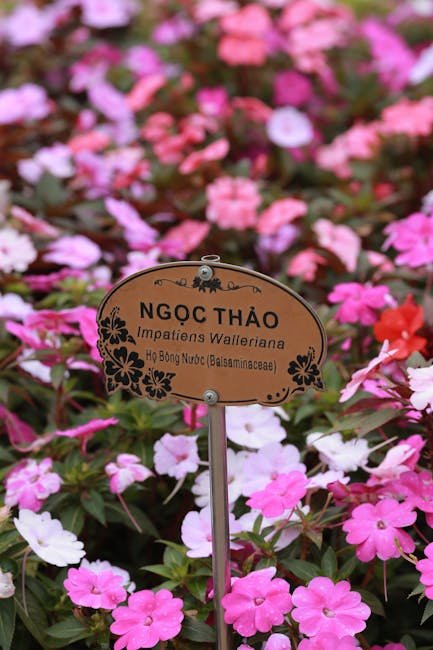
Impatiens

Known for its variegated pink and white petals and an approachable habit, Impatiens (Impatiens walleriana) is a flowers prized by gardeners across the United States. Blooming in spring-summer, this plant is a classic choice for mass plantings and cut flowers. Its petals are often described as soft pastel pinks, and varieties range from compact groundcovers to larger specimen plants. Gardeners appreciate it for its dependable bloom display and ease of care in the right conditions, and it’s commonly available in nurseries and garden centers. When selecting a planting location, look for a site with good soil and the correct light exposure to bring out the best color and floriferousness. Overall, this pink variety delivers both aesthetic appeal and reliable garden performance, whether used in mixed borders, containers, or as a standout specimen. Varieties differ in size and bloom habit, but most are straightforward to grow with basic care.

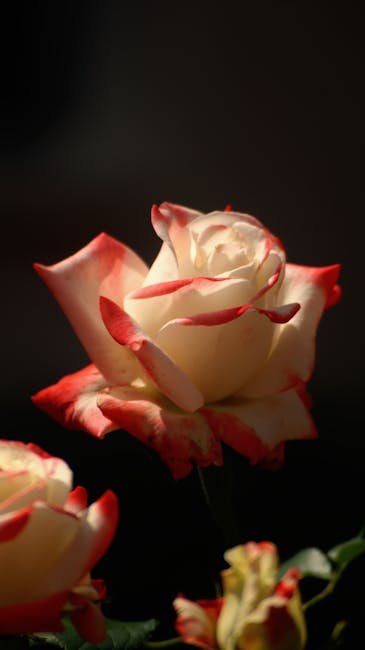
Queen Elizabeth rose

Esteemed for its vivid magenta tones and an approachable habit, Queen Elizabeth rose (Rosa ‘Queen Elizabeth’) is a flowers prized by gardeners across the United States. Blooming in spring-summer, this plant is a reliable performer for containers and patio displays. Its petals are often described as soft pastel pinks, and varieties range from compact groundcovers to larger specimen plants. Gardeners appreciate it for its dependable bloom display and ease of care in the right conditions, and it’s commonly available in nurseries and garden centers. When selecting a planting location, look for a site with good soil and the correct light exposure to bring out the best color and floriferousness. Overall, this pink variety delivers both aesthetic appeal and reliable garden performance, whether used in mixed borders, containers, or as a standout specimen. Varieties differ in size and bloom habit, but most are straightforward to grow with basic care.

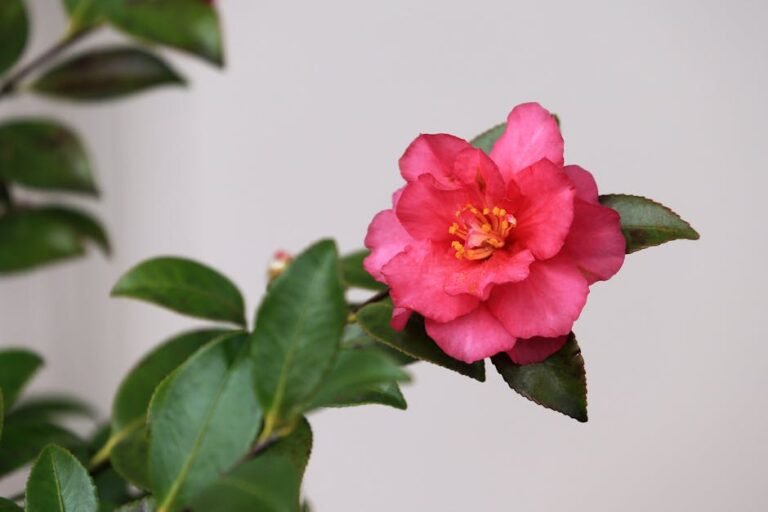
Sasanqua camellia

Esteemed for its vivid magenta tones and an approachable habit, Sasanqua camellia (Camellia sasanqua) is a flowers prized by gardeners across the United States. Blooming in spring-summer, this plant adds a soft romantic touch in shaded gardens. Its petals are often described as variegated pink and white petals, and varieties range from compact groundcovers to larger specimen plants. Gardeners appreciate it for its dependable bloom display and ease of care in the right conditions, and it’s commonly available in nurseries and garden centers. When selecting a planting location, look for a site with good soil and the correct light exposure to bring out the best color and floriferousness. Overall, this pink variety delivers both aesthetic appeal and reliable garden performance, whether used in mixed borders, containers, or as a standout specimen. With a little attention to soil and water, it rewards gardeners with a generous display every season.

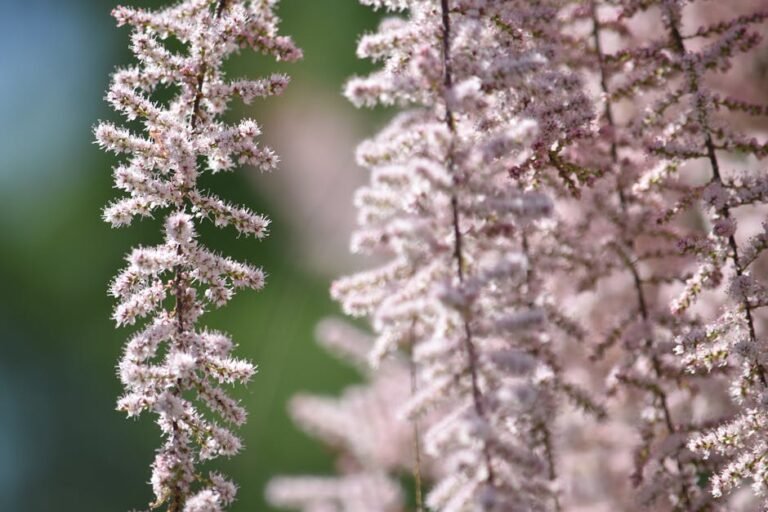
Astilbe

Renowned for its delicate blush pink petals and an approachable habit, Astilbe (Astilbe chinensis) is a flowers prized by gardeners across the United States. Blooming in spring-summer, this plant is a classic choice for mass plantings and cut flowers. Its petals are often described as variegated pink and white petals, and varieties range from compact groundcovers to larger specimen plants. Gardeners appreciate it for its dependable bloom display and ease of care in the right conditions, and it’s commonly available in nurseries and garden centers. When selecting a planting location, look for a site with good soil and the correct light exposure to bring out the best color and floriferousness. Overall, this pink variety delivers both aesthetic appeal and reliable garden performance, whether used in mixed borders, containers, or as a standout specimen. With a little attention to soil and water, it rewards gardeners with a generous display every season.

Caring for Pet-Safe Pink Plants

  • Check lighting: Safe succulents (like ghost plant or echeveria) need full sun, while nerve plants and string of hearts prefer bright indirect light.
  • Soil & Water: Ensure pots have drainage holes. Overwatering is the most common cause of houseplant issues.
  • Non-toxic feeding: Use pet-safe organic fertilizers, especially if your pet likes to inspect or dig in the soil.

Styling Pet-Safe Pink Plants

Group low-growing pink nerve plants and pink polka dot plants in a shadow-box planter for a foliage garden. Place string of hearts on a high shelf where the delicate pink-rimmed leaves can cascade down safely. Mix in some safe green herbs like basil or dill for natural contrast.

Frequently Asked Questions

What makes a plant safe for pets?
A plant is considered pet-safe or non-toxic if it does not contain chemical compounds (like soluble calcium oxalates, saponins, or glycosides) that cause systemic poisoning or severe local irritation to cats and dogs when ingested.
Are all pink plants toxic to pets?
No. While some popular pink plants like Caladiums, Philodendrons (including Pink Princess), and Begonias are toxic, many others like Fittonia (Nerve Plant), Hoya, Christmas Cactus, and Petunias are 100% non-toxic and safe.
What should I do if my pet eats a toxic plant?
If you suspect your pet has eaten a toxic plant, contact your veterinarian or the ASPCA Animal Poison Control Center immediately. Note the plant name and how much was ingested.
How can I keep my pets away from houseplants?
Even with safe plants, it is best to place them out of reach on high shelves, in hanging planters, or use pet-deterrent sprays (like diluted lemon juice) to discourage chewing.