Copperleaf
Acalypha wilkesiana
Plant Information
- 🏷️Common Names: Array
- 💧Water Needs: Moderate
- ☀️Sunlight: Full Sun
- 🌱Soil Type: Sandy loam
- 🌿Propagation: Stem cuttings in warm, humid conditions.
- 🪴Care Tips: Water moderately in warm seasons and reduce watering in cooler months. Provide full sun for rich foliage color.
Identification and Origin
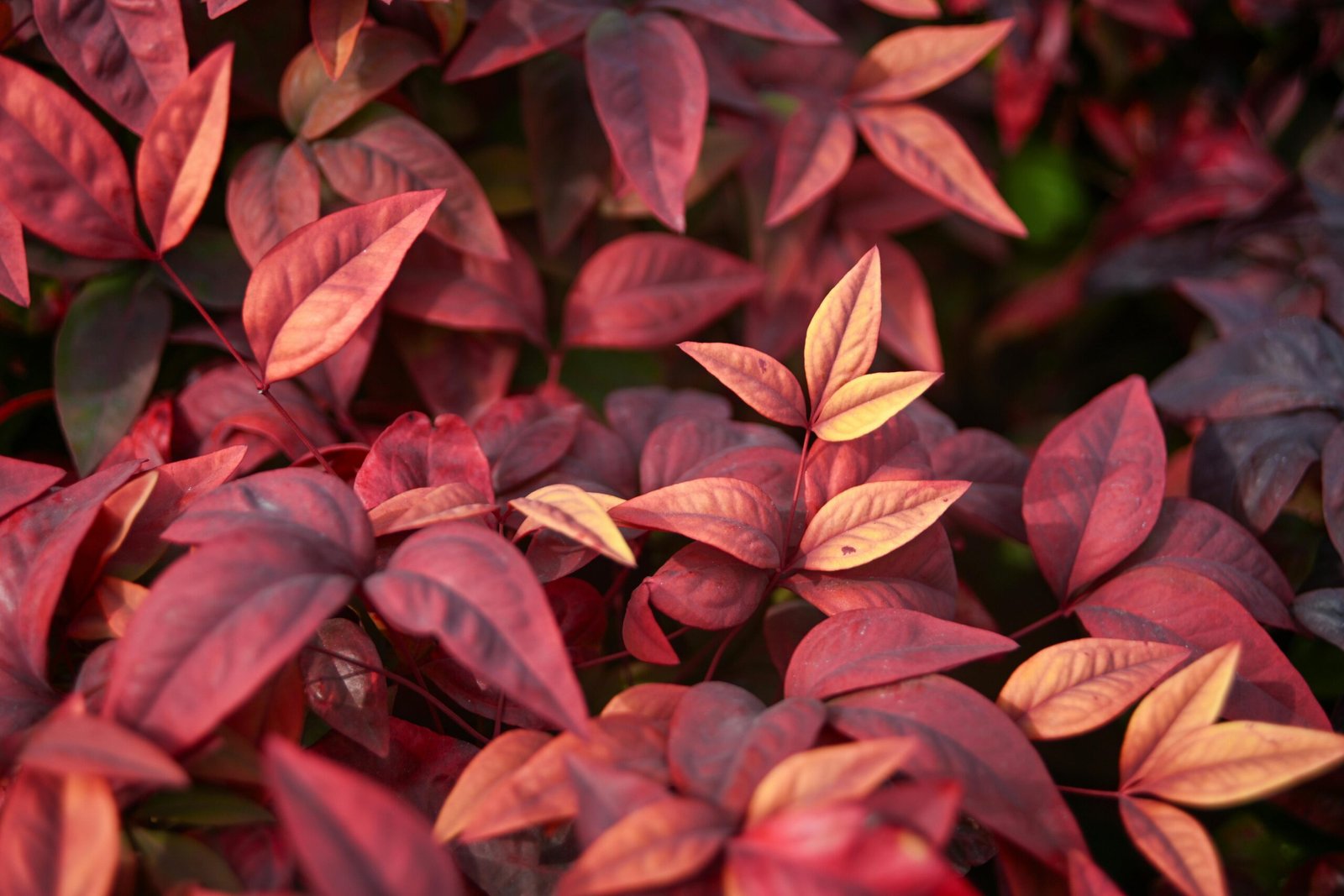
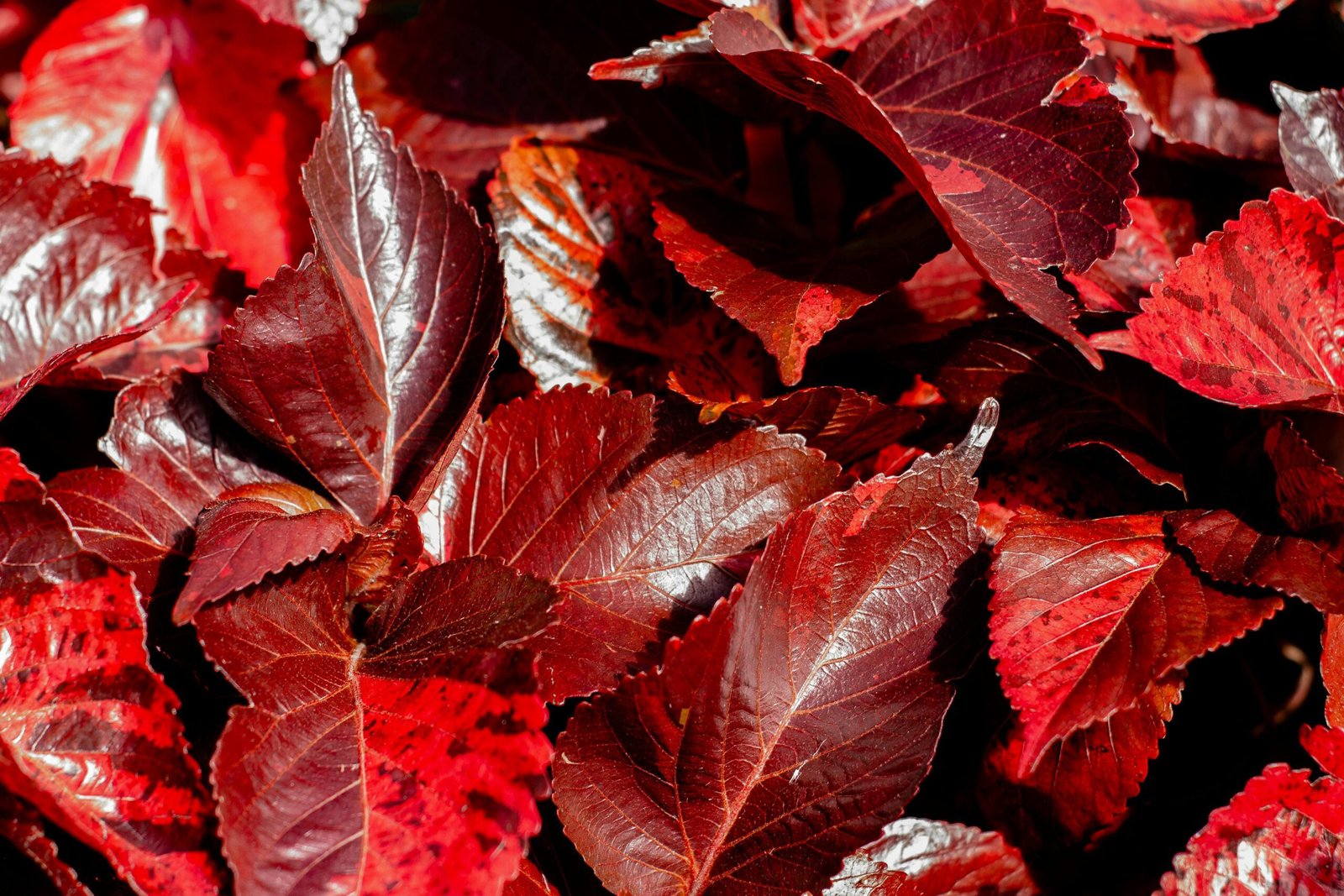
Acalypha wilkesiana, widely known as Copperleaf, belongs to the Euphorbiaceae family. It is native to the tropical Pacific islands and parts of Melanesia. The plant’s common name, Jacob’s Coat, references its dazzling array of leaf colors which include copper, rose, pink, and green patterns. Each leaf has a unique variegation that contributes to the plant’s overall ornamental value. Its botanical form is upright and branching, with smooth stems and soft, thin leaves that shimmer in sunlight.
Habitat and Cultivation
In its natural environment, Copperleaf thrives in tropical lowlands and coastal areas where sunlight, rainfall, and humidity are abundant. It prefers sandy loam soil that drains well yet retains adequate moisture. The plant grows best in full sun, though it can tolerate partial shade with slightly reduced leaf color intensity. When cultivating Copperleaf, consistent moisture and warmth are vital. Temperatures below fifteen degrees Celsius can cause leaf drop or discoloration. It grows well in containers, borders, or as a tropical hedge, adding vivid contrast to green foliage plants.
Growth, Size, and Structure
Copperleaf grows as a woody evergreen shrub reaching up to three meters tall in optimal conditions. It responds well to pruning, which encourages branching and maintains compact growth. Its leaves are large, oval, and slightly serrated with a glossy texture. Under sunlight, the pink and bronze tones deepen, producing an iridescent effect. While it does produce small greenish flowers, its foliage remains the primary ornamental feature throughout the year. With proper care, it can grow vigorously and fill out quickly within one growing season.
Care and Maintenance
Care for Copperleaf revolves around warmth, water, and sunlight. It prefers regular watering during dry periods but should never be left in standing water. Mulching around the base helps retain soil moisture and protect roots. Occasional feeding with organic compost or slow-release fertilizer improves color vibrancy and leaf health. Pruning every few months helps maintain shape and stimulate new foliage. In regions with cooler winters, Copperleaf can be overwintered indoors or grown as an annual. Pests such as aphids and mealybugs may occasionally appear but are easily managed with organic sprays.
Propagation and Uses
Propagation of Copperleaf is straightforward and best done through stem cuttings taken in spring or early summer. The cuttings root readily in moist soil under warm, humid conditions. Once established, Copperleaf becomes a hardy and low-maintenance plant suited to landscapes and container gardens alike. It is valued not only for its decorative use but also for its role as a pollinator attractor when planted near flowering species. Its pink and copper hues make it a complementary choice in mixed tropical designs, adding depth and color balance to outdoor compositions.
Gallery