Blush & Bloom: 25 Stunning Pink Plants for Indoors

Discover the prettiest pink foliage and flowering houseplants that thrive inside.

Pink isn’t just a color — it’s a mood. Whether you want a calming corner filled with soft blush tones or bold tropical leaves that make your living space pop, pink plants bring instant joy and freshness. From velvety Caladiums to the ever-trendy Pink Princess Philodendron, these houseplants prove that nature does “aesthetic” better than any paint shade.

Here’s your guide to 25 indoor pink plants that thrive with minimal fuss and maximum color.

Strawberry begonia (pink flowers)

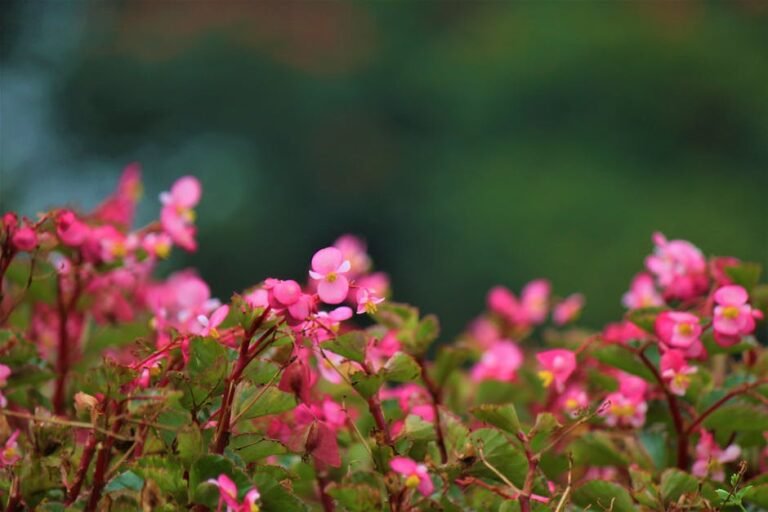
Known for its soft pastel pinks and an approachable habit, Strawberry begonia (pink flowers) (Saxifraga stolonifera) is a flowers prized by gardeners across the United States. Blooming in spring-summer, this plant is a reliable performer for containers and patio displays. Its petals are often described as deep rose-pink hues, and varieties range from compact groundcovers to larger specimen plants. Gardeners appreciate it for its dependable bloom display and ease of care in the right conditions, and it’s commonly available in nurseries and garden centers. When selecting a planting location, look for a site with good soil and the correct light exposure to bring out the best color and floriferousness. Overall, this pink variety delivers both aesthetic appeal and reliable garden performance, whether used in mixed borders, containers, or as a standout specimen. With a little attention to soil and water, it rewards gardeners with a generous display every season.
Fuchsia (pink varieties)

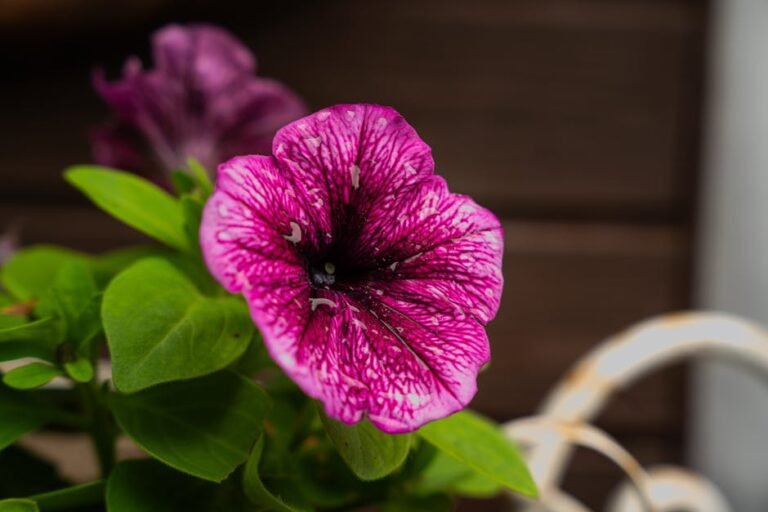
Esteemed for its variegated pink and white petals and an approachable habit, Fuchsia (pink varieties) (Fuchsia × hybrida) is a flowers prized by gardeners across the United States. Blooming in spring-summer, this plant brings bright, uplifting color to cottage and formal gardens. Its petals are often described as soft pastel pinks, and varieties range from compact groundcovers to larger specimen plants. Gardeners appreciate it for its dependable bloom display and ease of care in the right conditions, and it’s commonly available in nurseries and garden centers. When selecting a planting location, look for a site with good soil and the correct light exposure to bring out the best color and floriferousness. Overall, this pink variety delivers both aesthetic appeal and reliable garden performance, whether used in mixed borders, containers, or as a standout specimen. It also suits cutting gardens and adds seasonal interest to sunny or partly shaded beds.

Hardy begonia (pink)

Renowned for its soft pastel pinks and an approachable habit, Hardy begonia (pink) (Begonia grandis) is a flowers prized by gardeners across the United States. Blooming in spring-summer, this plant is a reliable performer for containers and patio displays. Its petals are often described as delicate blush pink petals, and varieties range from compact groundcovers to larger specimen plants. Gardeners appreciate it for its dependable bloom display and ease of care in the right conditions, and it’s commonly available in nurseries and garden centers. When selecting a planting location, look for a site with good soil and the correct light exposure to bring out the best color and floriferousness. Overall, this pink variety delivers both aesthetic appeal and reliable garden performance, whether used in mixed borders, containers, or as a standout specimen. Varieties differ in size and bloom habit, but most are straightforward to grow with basic care.

Wax begonia

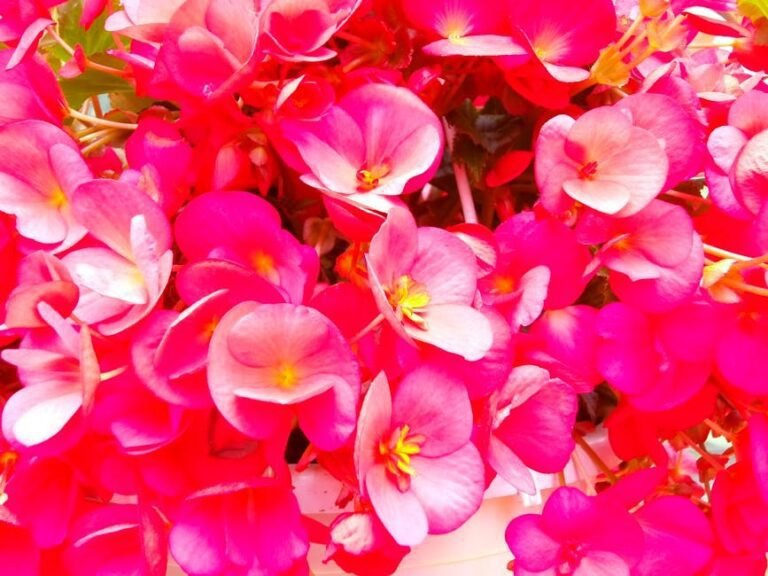
Renowned for its vivid magenta tones and an approachable habit, Wax begonia (Begonia × semperflorens-cultorum) is a flowers prized by gardeners across the United States. Blooming in spring-summer, this plant makes a striking focal point in borders and mixed beds. Its petals are often described as deep rose-pink hues, and varieties range from compact groundcovers to larger specimen plants. Gardeners appreciate it for its dependable bloom display and ease of care in the right conditions, and it’s commonly available in nurseries and garden centers. When selecting a planting location, look for a site with good soil and the correct light exposure to bring out the best color and floriferousness. Overall, this pink variety delivers both aesthetic appeal and reliable garden performance, whether used in mixed borders, containers, or as a standout specimen. It also suits cutting gardens and adds seasonal interest to sunny or partly shaded beds.

Coral Bells

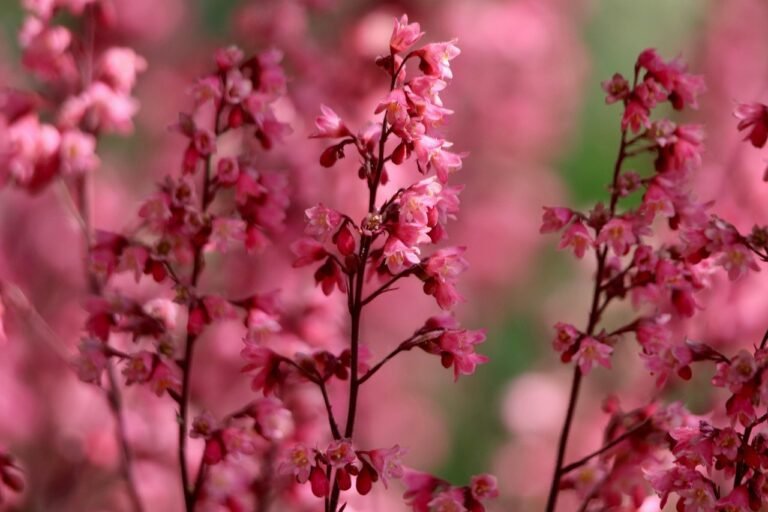
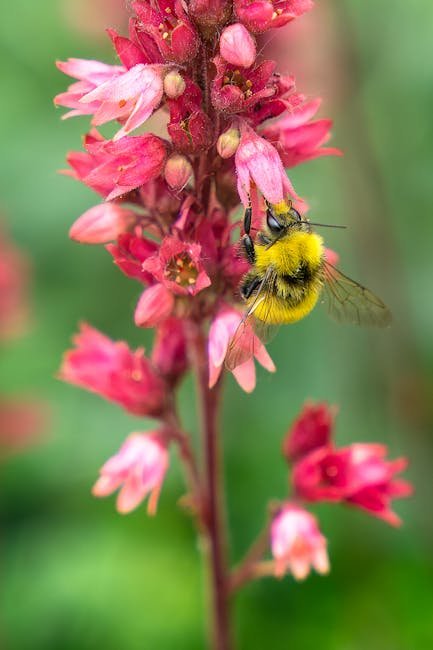
Coral Bells (Heuchera sanguinea) is a distinguished plant celebrated for its unique ornamental features and horticultural value. Often known by names such as Coral Bells, Pink Coral Bells, this species is prized for its striking foliage, vibrant flowers, or distinctive growth habit. Native to Indoor, it has adapted to specific environmental conditions but has proven to be a versatile addition to gardens and indoor collections worldwide. Successful cultivation depends on providing conditions that mimic its natural habitat, particularly regarding Shade and Medium. Its structural form and visual appeal make it a focal point in landscape design, container gardening, or as a standalone specimen. Beyond its beauty, Coral Bells offers a rewarding experience for the diligent gardener, showcasing seasonal changes and steady growth when its fundamental needs for light, water, and proper soil are met, making it a subject of interest for both botanists and hobbyists.

Pink Coneflower

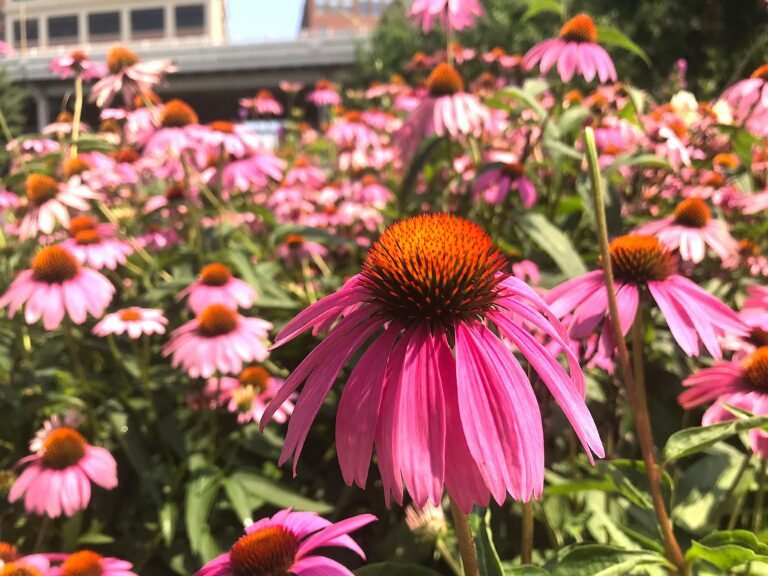
Pink Coneflower (Echinacea purpurea) is a distinguished plant celebrated for its unique ornamental features and horticultural value. Often known by names such as Pink Coneflower, Pink Echinacea, this species is prized for its striking foliage, vibrant flowers, or distinctive growth habit. Native to Indoor, it has adapted to specific environmental conditions but has proven to be a versatile addition to gardens and indoor collections worldwide. Successful cultivation depends on providing conditions that mimic its natural habitat, particularly regarding Shade and Medium. Its structural form and visual appeal make it a focal point in landscape design, container gardening, or as a standalone specimen. Beyond its beauty, Pink Coneflower offers a rewarding experience for the diligent gardener, showcasing seasonal changes and steady growth when its fundamental needs for light, water, and proper soil are met, making it a subject of interest for both botanists and hobbyists.

Bee Balm

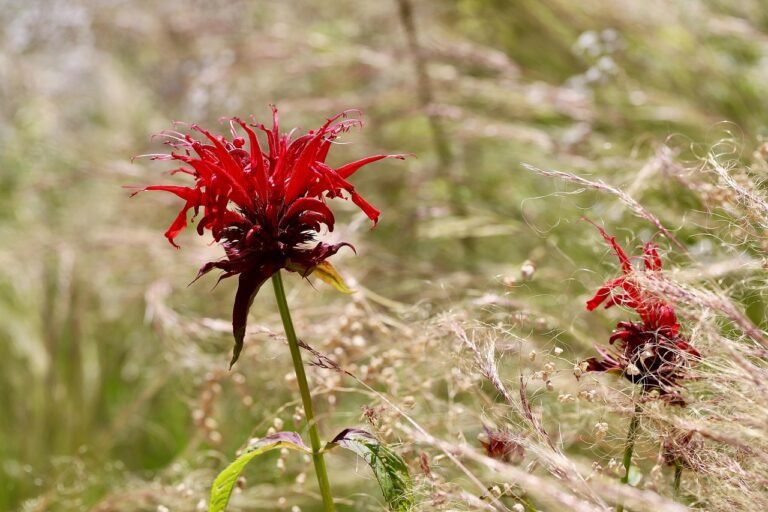
Bee Balm (Monarda didyma) is a distinguished plant celebrated for its unique ornamental features and horticultural value. Often known by names such as Bee Balm, Pink Bee Balm, this species is prized for its striking foliage, vibrant flowers, or distinctive growth habit. Native to Indoor, it has adapted to specific environmental conditions but has proven to be a versatile addition to gardens and indoor collections worldwide. Successful cultivation depends on providing conditions that mimic its natural habitat, particularly regarding Partial Shade and Medium. Its structural form and visual appeal make it a focal point in landscape design, container gardening, or as a standalone specimen. Beyond its beauty, Bee Balm offers a rewarding experience for the diligent gardener, showcasing seasonal changes and steady growth when its fundamental needs for light, water, and proper soil are met, making it a subject of interest for both botanists and hobbyists.

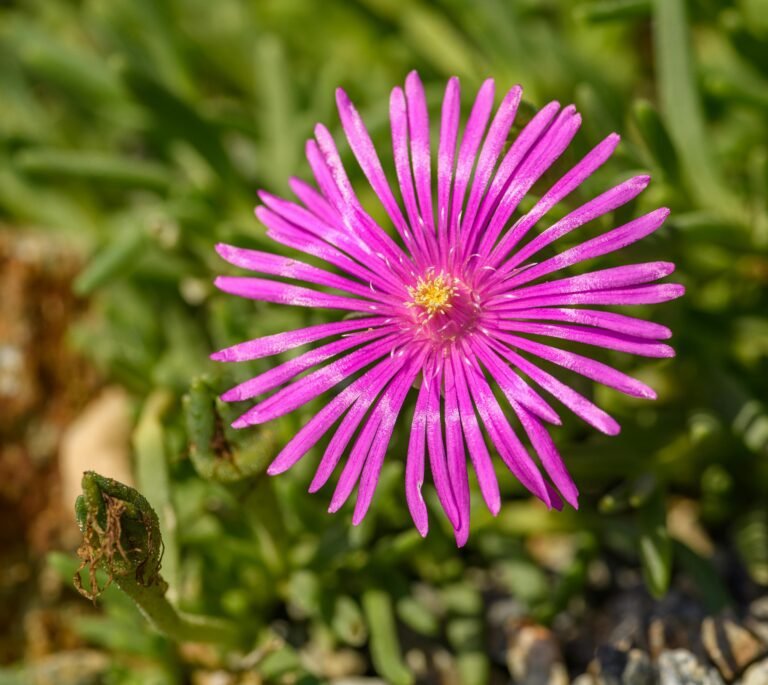
Hardy Ice Plant

Hardy Ice Plant (Delosperma cooperi) is a distinguished plant celebrated for its unique ornamental features and horticultural value. Often known by names such as Hardy Ice Plant, Pink Ice Plant, this species is prized for its striking foliage, vibrant flowers, or distinctive growth habit. Native to Indoor, it has adapted to specific environmental conditions but has proven to be a versatile addition to gardens and indoor collections worldwide. Successful cultivation depends on providing conditions that mimic its natural habitat, particularly regarding Full Sun and Medium. Its structural form and visual appeal make it a focal point in landscape design, container gardening, or as a standalone specimen. Beyond its beauty, Hardy Ice Plant offers a rewarding experience for the diligent gardener, showcasing seasonal changes and steady growth when its fundamental needs for light, water, and proper soil are met, making it a subject of interest for both botanists and hobbyists.

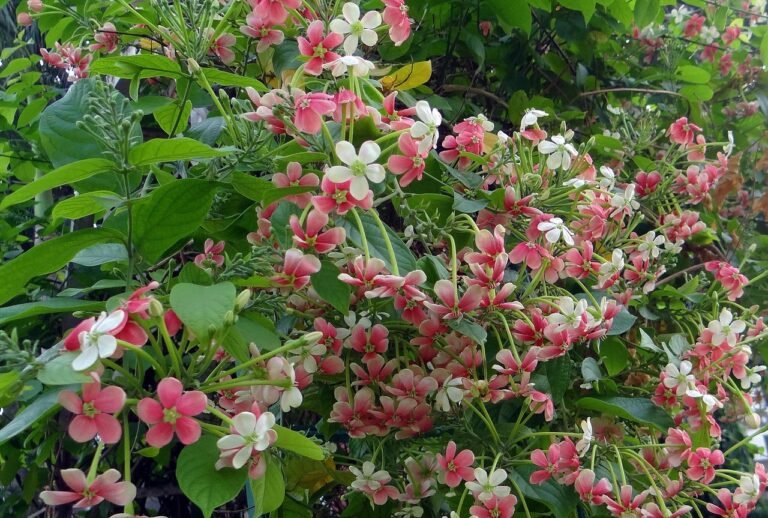
Rangoon Creeper

Rangoon Creeper (Quisqualis indica) is a distinguished plant celebrated for its unique ornamental features and horticultural value. Often known by names such as Rangoon Creeper, Pink Rangoon Creeper, this species is prized for its striking foliage, vibrant flowers, or distinctive growth habit. Native to Indoor, it has adapted to specific environmental conditions but has proven to be a versatile addition to gardens and indoor collections worldwide. Successful cultivation depends on providing conditions that mimic its natural habitat, particularly regarding Shade and Medium. Its structural form and visual appeal make it a focal point in landscape design, container gardening, or as a standalone specimen. Beyond its beauty, Rangoon Creeper offers a rewarding experience for the diligent gardener, showcasing seasonal changes and steady growth when its fundamental needs for light, water, and proper soil are met, making it a subject of interest for both botanists and hobbyists.

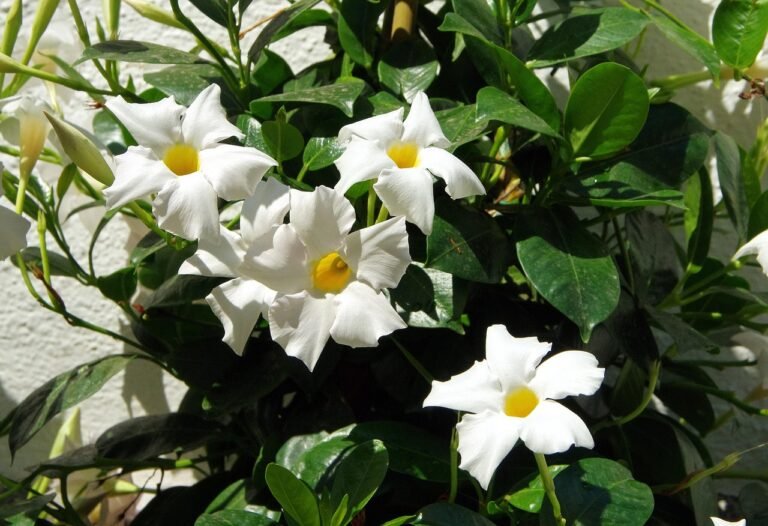
Mandevilla

Mandevilla (Mandevilla sanderi) is a distinguished plant celebrated for its unique ornamental features and horticultural value. Often known by names such as Pink Mandevilla, Dipladenia, this species is prized for its striking foliage, vibrant flowers, or distinctive growth habit. Native to Indoor, it has adapted to specific environmental conditions but has proven to be a versatile addition to gardens and indoor collections worldwide. Successful cultivation depends on providing conditions that mimic its natural habitat, particularly regarding Partial Shade and Medium. Its structural form and visual appeal make it a focal point in landscape design, container gardening, or as a standalone specimen. Beyond its beauty, Mandevilla offers a rewarding experience for the diligent gardener, showcasing seasonal changes and steady growth when its fundamental needs for light, water, and proper soil are met, making it a subject of interest for both botanists and hobbyists.

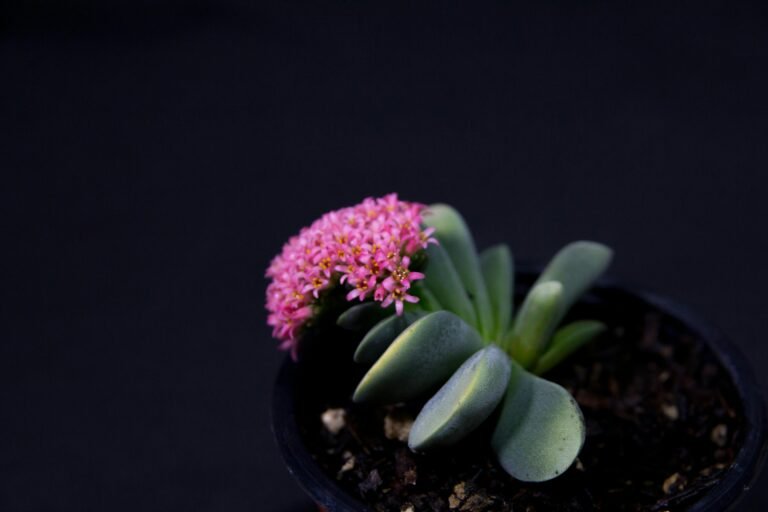
Pink Jade

Pink Jade (Crassula ovata “Pink Beauty”) is a distinguished plant celebrated for its unique ornamental features and horticultural value. Often known by names such as , this species is prized for its striking foliage, vibrant flowers, or distinctive growth habit. Native to Indoor, it has adapted to specific environmental conditions but has proven to be a versatile addition to gardens and indoor collections worldwide. Successful cultivation depends on providing conditions that mimic its natural habitat, particularly regarding Full Sun and Medium. Its structural form and visual appeal make it a focal point in landscape design, container gardening, or as a standalone specimen. Beyond its beauty, Pink Jade offers a rewarding experience for the diligent gardener, showcasing seasonal changes and steady growth when its fundamental needs for light, water, and proper soil are met, making it a subject of interest for both botanists and hobbyists.

Peanut Cactus

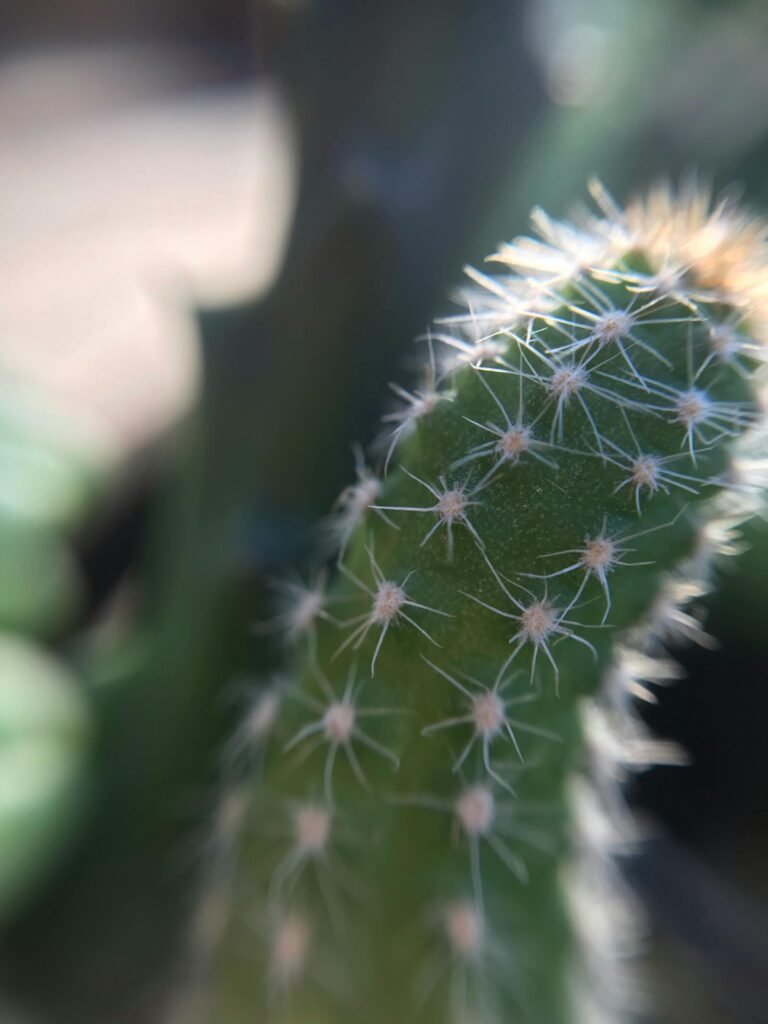
Peanut Cactus (Echinopsis chamaecereus) is a distinguished plant celebrated for its unique ornamental features and horticultural value. Often known by names such as Peanut Cactus, Pink Peanut Cactus, this species is prized for its striking foliage, vibrant flowers, or distinctive growth habit. Native to Indoor, it has adapted to specific environmental conditions but has proven to be a versatile addition to gardens and indoor collections worldwide. Successful cultivation depends on providing conditions that mimic its natural habitat, particularly regarding Shade and Medium. Its structural form and visual appeal make it a focal point in landscape design, container gardening, or as a standalone specimen. Beyond its beauty, Peanut Cactus offers a rewarding experience for the diligent gardener, showcasing seasonal changes and steady growth when its fundamental needs for light, water, and proper soil are met, making it a subject of interest for both botanists and hobbyists.

Cherry Blossom

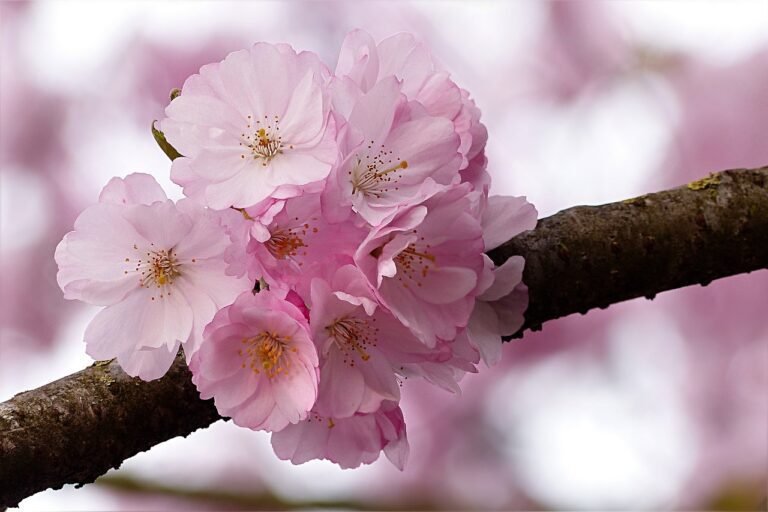
Cherry Blossom (Prunus serrulata) is a distinguished plant celebrated for its unique ornamental features and horticultural value. Often known by names such as Japanese Cherry, Sakura, Cherry Blossom, this species is prized for its striking foliage, vibrant flowers, or distinctive growth habit. Native to Indoor, it has adapted to specific environmental conditions but has proven to be a versatile addition to gardens and indoor collections worldwide. Successful cultivation depends on providing conditions that mimic its natural habitat, particularly regarding Shade and Medium. Its structural form and visual appeal make it a focal point in landscape design, container gardening, or as a standalone specimen. Beyond its beauty, Cherry Blossom offers a rewarding experience for the diligent gardener, showcasing seasonal changes and steady growth when its fundamental needs for light, water, and proper soil are met, making it a subject of interest for both botanists and hobbyists.

Camellia

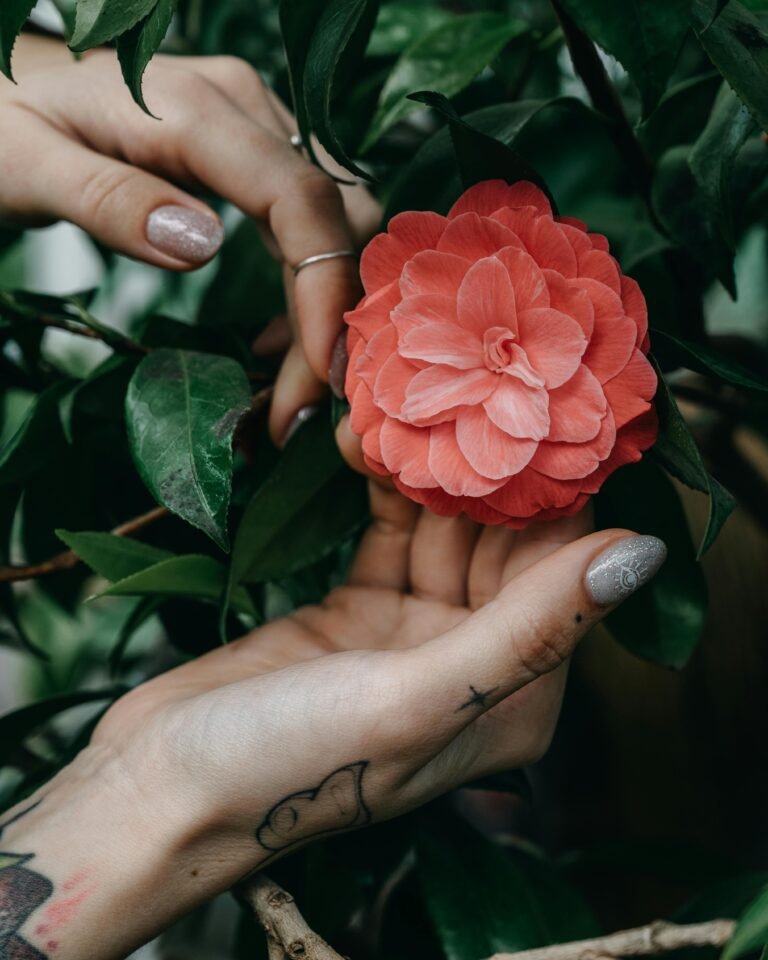
Camellia (Camellia japonica) is a distinguished plant celebrated for its unique ornamental features and horticultural value. Often known by names such as Japanese Camellia, Pink Camellia, Tea Camellia, this species is prized for its striking foliage, vibrant flowers, or distinctive growth habit. Native to Indoor, it has adapted to specific environmental conditions but has proven to be a versatile addition to gardens and indoor collections worldwide. Successful cultivation depends on providing conditions that mimic its natural habitat, particularly regarding Partial Shade and Medium. Its structural form and visual appeal make it a focal point in landscape design, container gardening, or as a standalone specimen. Beyond its beauty, Camellia offers a rewarding experience for the diligent gardener, showcasing seasonal changes and steady growth when its fundamental needs for light, water, and proper soil are met, making it a subject of interest for both botanists and hobbyists.

Care Tips for Pink Houseplants

  • Light: Bright, indirect light keeps pink tones vibrant.
  • Water: Let the top inch of soil dry before watering again.
  • Humidity: Mist regularly or use a pebble tray for tropical types.
  • Feed: Monthly balanced liquid fertilizer enhances color depth.

Pro Tip: Rotate pots weekly to encourage even growth and balanced color.

How to Style Pink Plants in Your Home

Pair Fittonias and Begonias with white planters for elegance, or display Caladiums on window sills for a tropical vibe. Mix foliage textures and green companions to make pink tones stand out beautifully in your decor.