Pink Flowering Shrubs: 20 Varieties for Gardens and Borders

Reliable, long-lived pink shrubs that anchor the garden with seasonal blooms and structure.

Pink flowering shrubs give the garden permanent structure and seasonal blooms. Plant once, enjoy for decades. From azaleas to rose of Sharon, these reliable varieties reward with colour every year.

Here's your guide to 20 pink flowering shrubs for borders, hedges, and feature planting.

Copperleaf

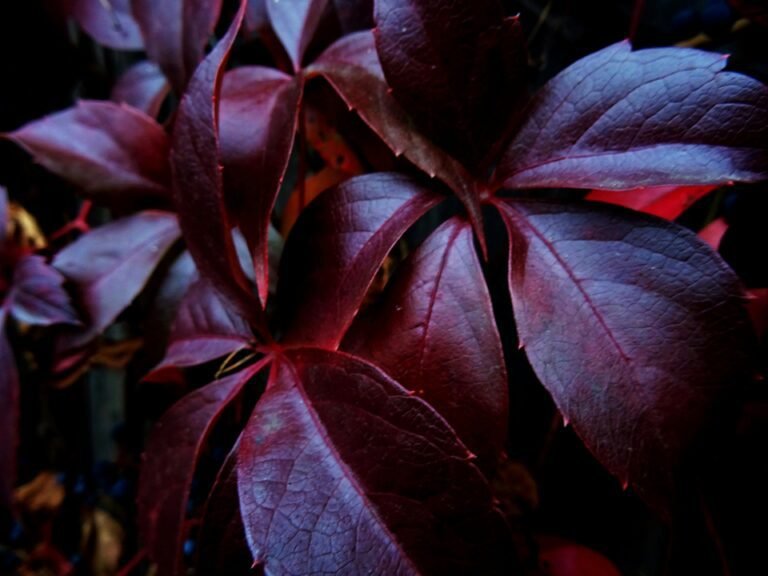
Copperleaf (Acalypha wilkesiana) is a vibrant tropical shrub admired for its colorful foliage that blends pink, copper, and bronze tones. Known commonly as Jacob’s Coat, it is native to the Pacific Islands and has been cultivated across tropical regions for centuries. Its richly patterned leaves and easy growth habit make it a favorite for hedges, borders, and decorative plantings. When grown in warm and sunny conditions, the Copperleaf retains its striking color throughout the year, making it one of the most reliable plants for adding long-lasting color to the garden. It thrives in humidity and appreciates moderate watering, well-draining soil, and regular trimming to maintain its shape and encourage dense growth.
Poinsettia

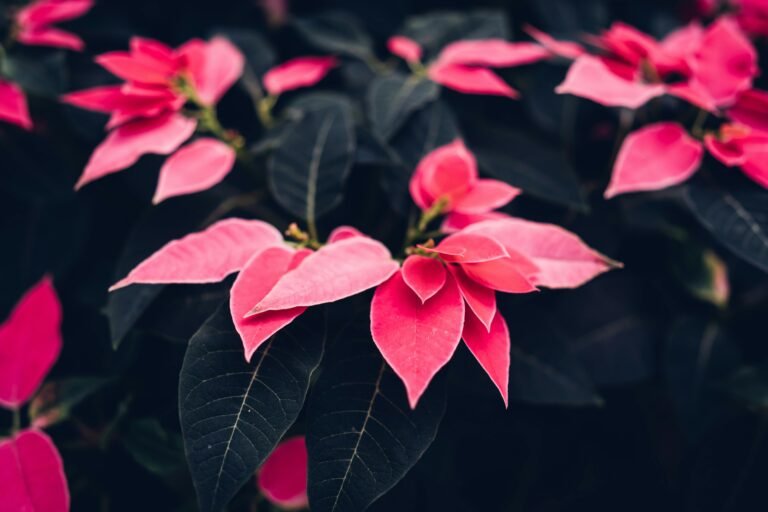
Poinsettia (Euphorbia pulcherrima) is a celebrated tropical shrub admired for its vivid pink and red bracts that bring life to winter landscapes and festive interiors. Known commonly as the Christmas Star, it has become one of the most iconic ornamental plants worldwide. Native to Mexico and Central America, it thrives in warm climates with filtered sunlight and consistent moisture. Its striking bracts, which are often mistaken for petals, frame small yellow flowers at the center and symbolize cheer during the colder months. The Poinsettia’s structure and seasonal brilliance make it a versatile choice for garden borders, decorative pots, or as a focal point in interior displays. Cultivation success relies on maintaining warmth, avoiding drafts, and ensuring the balance between light and moisture is just right, which makes it both a rewarding and educational species for growers and enthusiasts.

Desert Rose

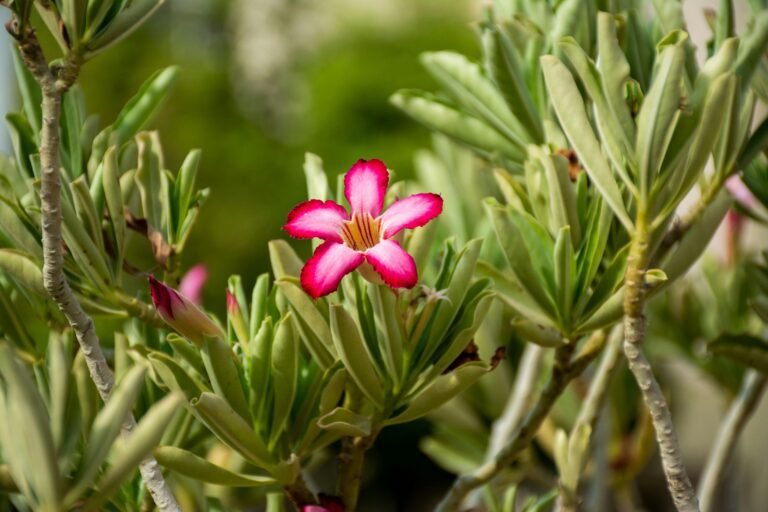
Desert Rose (Adenium obesum) is a striking tropical succulent shrub known for its swollen trunk base and trumpet-shaped pink flowers. Native to arid regions of Africa and the Arabian Peninsula, it combines sculptural form with delicate blossoms. Often called Mock Azalea, it is highly valued as a container plant and a focal specimen in warm landscapes. The plant’s unique combination of resilience, beauty, and minimal water needs makes it ideal for dry gardens and sun-drenched patios.

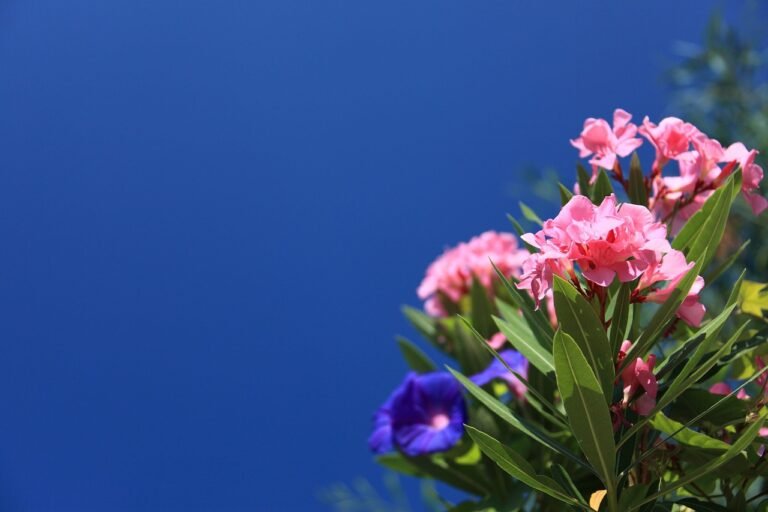
Oleander

Oleander (Nerium oleander) is a distinguished plant celebrated for its unique ornamental features and horticultural value. Often known by names such as Oleander, Pink Oleander, Rose Bay, this species is prized for its striking foliage, vibrant flowers, or distinctive growth habit. Native to Mediterranean, it has adapted to specific environmental conditions but has proven to be a versatile addition to gardens and indoor collections worldwide. Successful cultivation depends on providing conditions that mimic its natural habitat, particularly regarding Full Sun and Medium. Its structural form and visual appeal make it a focal point in landscape design, container gardening, or as a standalone specimen. Beyond its beauty, Oleander offers a rewarding experience for the diligent gardener, showcasing seasonal changes and steady growth when its fundamental needs for light, water, and proper soil are met, making it a subject of interest for both botanists and hobbyists.

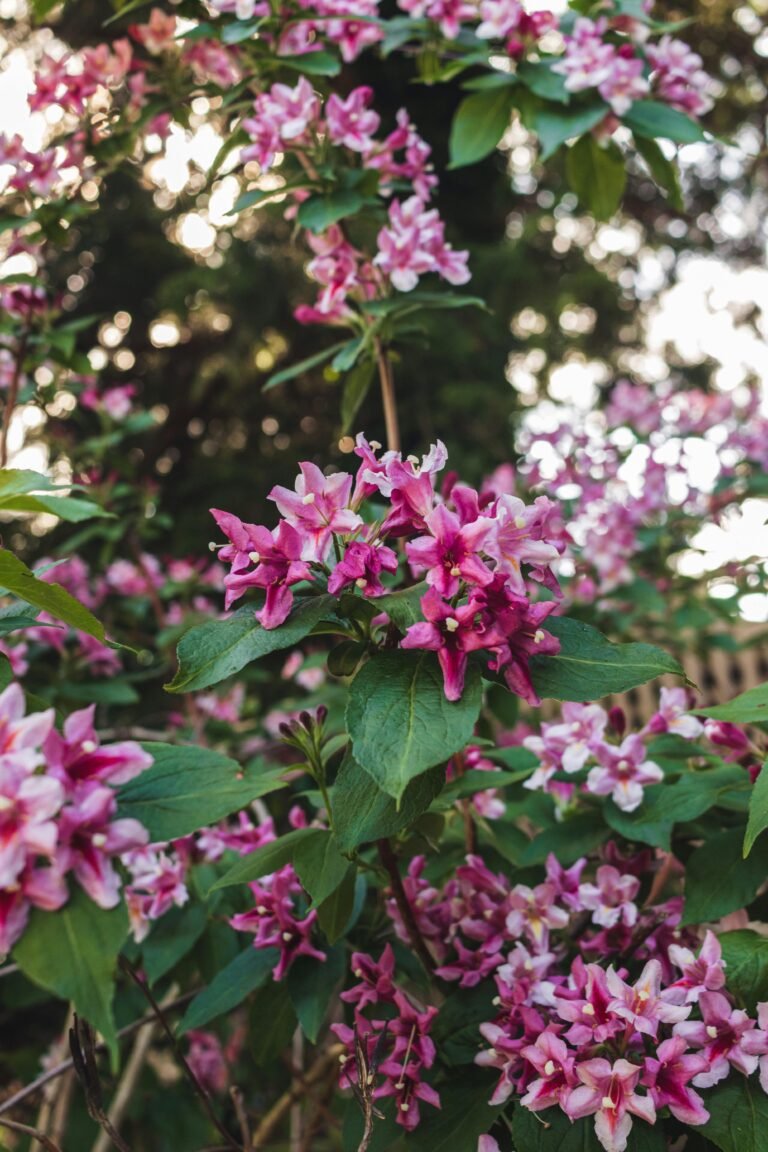
Weigela

Weigela (Weigela florida) is a distinguished plant celebrated for its unique ornamental features and horticultural value. Often known by names such as Pink Weigela, Old Fashioned Weigela, Cardinal Flower, this species is prized for its striking foliage, vibrant flowers, or distinctive growth habit. Native to Tropical, it has adapted to specific environmental conditions but has proven to be a versatile addition to gardens and indoor collections worldwide. Successful cultivation depends on providing conditions that mimic its natural habitat, particularly regarding Shade and Medium. Its structural form and visual appeal make it a focal point in landscape design, container gardening, or as a standalone specimen. Beyond its beauty, Weigela offers a rewarding experience for the diligent gardener, showcasing seasonal changes and steady growth when its fundamental needs for light, water, and proper soil are met, making it a subject of interest for both botanists and hobbyists.

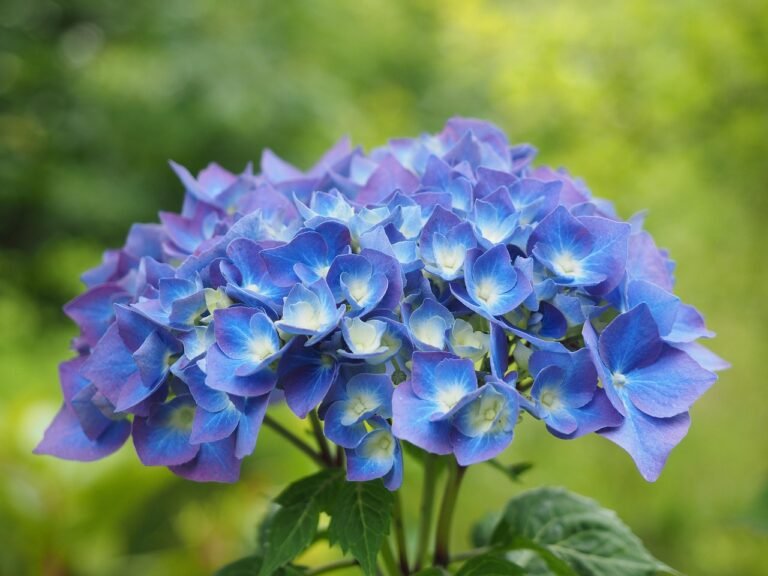
Hydrangea

Hydrangea (Hydrangea macrophylla) is a distinguished plant celebrated for its unique ornamental features and horticultural value. Often known by names such as Bigleaf Hydrangea, Pink Hydrangea, Mophead Hydrangea, this species is prized for its striking foliage, vibrant flowers, or distinctive growth habit. Native to Desert, it has adapted to specific environmental conditions but has proven to be a versatile addition to gardens and indoor collections worldwide. Successful cultivation depends on providing conditions that mimic its natural habitat, particularly regarding Full Sun and Medium. Its structural form and visual appeal make it a focal point in landscape design, container gardening, or as a standalone specimen. Beyond its beauty, Hydrangea offers a rewarding experience for the diligent gardener, showcasing seasonal changes and steady growth when its fundamental needs for light, water, and proper soil are met, making it a subject of interest for both botanists and hobbyists.

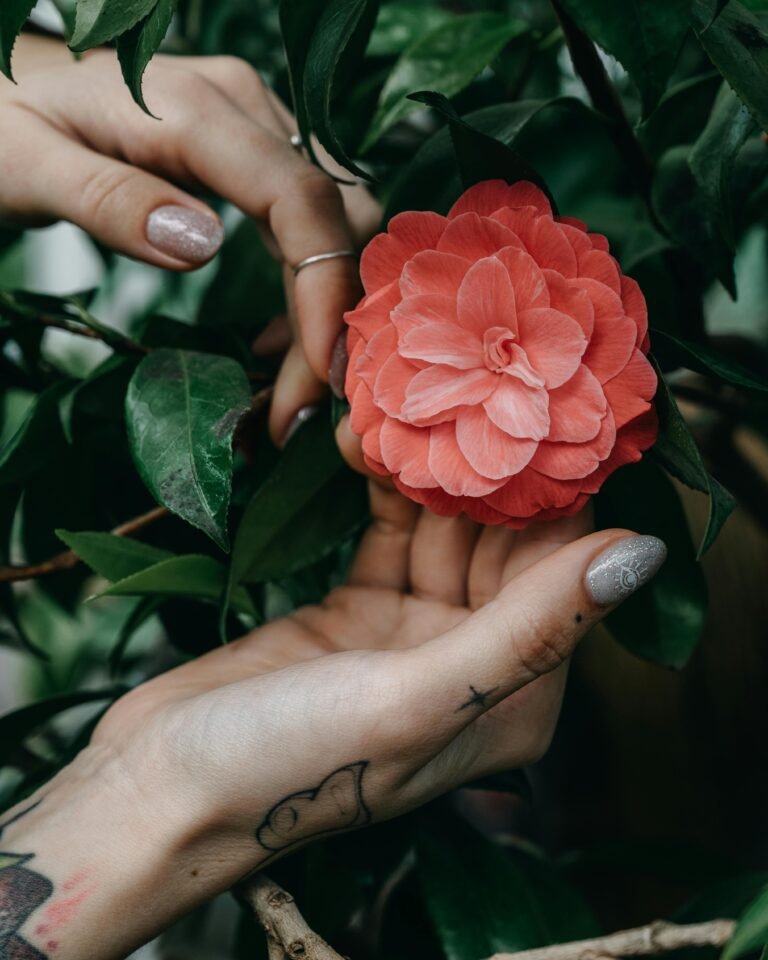
Camellia

Camellia (Camellia japonica) is a distinguished plant celebrated for its unique ornamental features and horticultural value. Often known by names such as Japanese Camellia, Pink Camellia, Tea Camellia, this species is prized for its striking foliage, vibrant flowers, or distinctive growth habit. Native to Indoor, it has adapted to specific environmental conditions but has proven to be a versatile addition to gardens and indoor collections worldwide. Successful cultivation depends on providing conditions that mimic its natural habitat, particularly regarding Partial Shade and Medium. Its structural form and visual appeal make it a focal point in landscape design, container gardening, or as a standalone specimen. Beyond its beauty, Camellia offers a rewarding experience for the diligent gardener, showcasing seasonal changes and steady growth when its fundamental needs for light, water, and proper soil are met, making it a subject of interest for both botanists and hobbyists.

Spirea

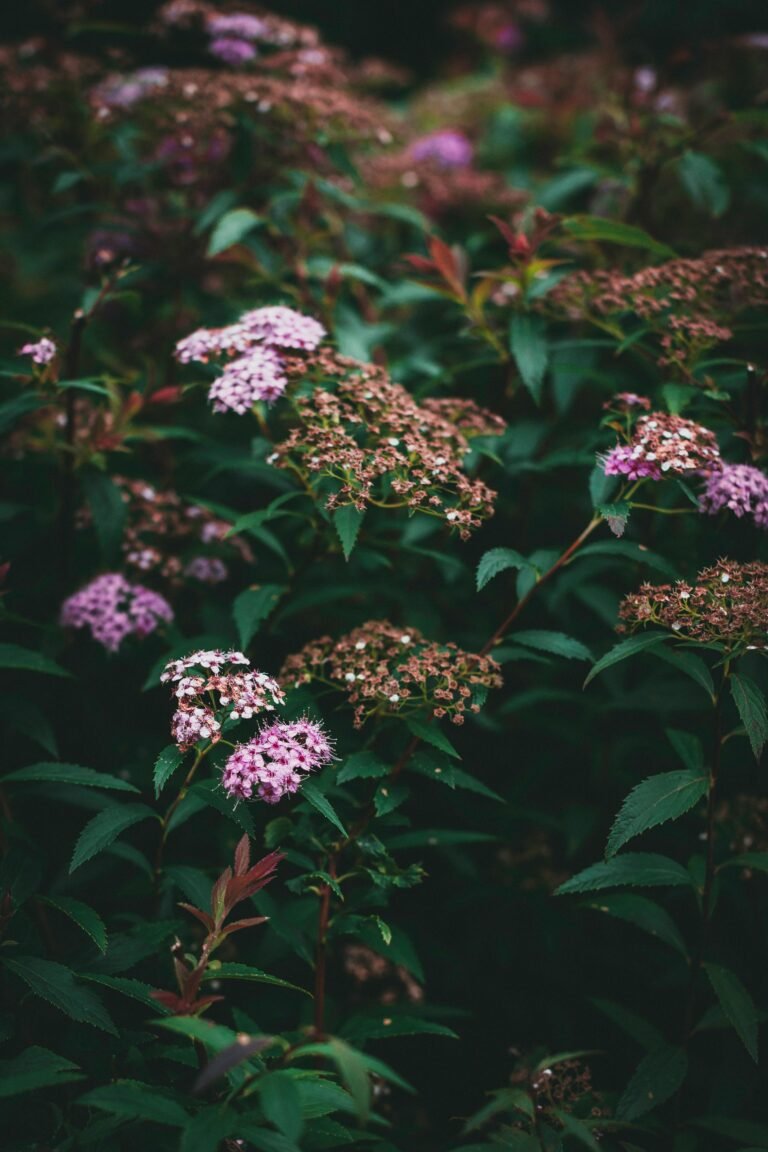
Spirea (Spiraea japonica) is a distinguished plant celebrated for its unique ornamental features and horticultural value. Often known by names such as Japanese Spirea, Pink Spirea, Meadowsweet, this species is prized for its striking foliage, vibrant flowers, or distinctive growth habit. Native to Mediterranean, it has adapted to specific environmental conditions but has proven to be a versatile addition to gardens and indoor collections worldwide. Successful cultivation depends on providing conditions that mimic its natural habitat, particularly regarding Shade and Medium. Its structural form and visual appeal make it a focal point in landscape design, container gardening, or as a standalone specimen. Beyond its beauty, Spirea offers a rewarding experience for the diligent gardener, showcasing seasonal changes and steady growth when its fundamental needs for light, water, and proper soil are met, making it a subject of interest for both botanists and hobbyists.

Caring for Pink Flowering Shrubs

  • Pruning timing matters: Spring bloomers (azaleas, weigela) — prune right after flowering. Summer bloomers (rose of Sharon) — prune in late winter.
  • Mulch the base: A 2-3 inch mulch layer conserves moisture and keeps roots cool.
  • Feed in spring: A slow-release shrub fertilizer at bud-break supports the growing season.
  • Check drainage: Most pink shrubs dislike waterlogged soil — plant in well-draining spots.

Frequently Asked Questions

What pink shrubs bloom the longest?
Rose of Sharon blooms from midsummer through autumn. Weigela and azaleas have shorter peak seasons but reliable annual blooms.
What pink flowering shrubs grow in shade?
Azaleas and rhododendrons are classic shade-tolerant pink shrubs. Mountain laurel (Kalmia) also performs well in dappled light.
How do I prune pink flowering shrubs?
Prune spring-blooming shrubs like azaleas right after flowering — they set buds for next year on old wood. Summer bloomers like rose of Sharon can be pruned in late winter.