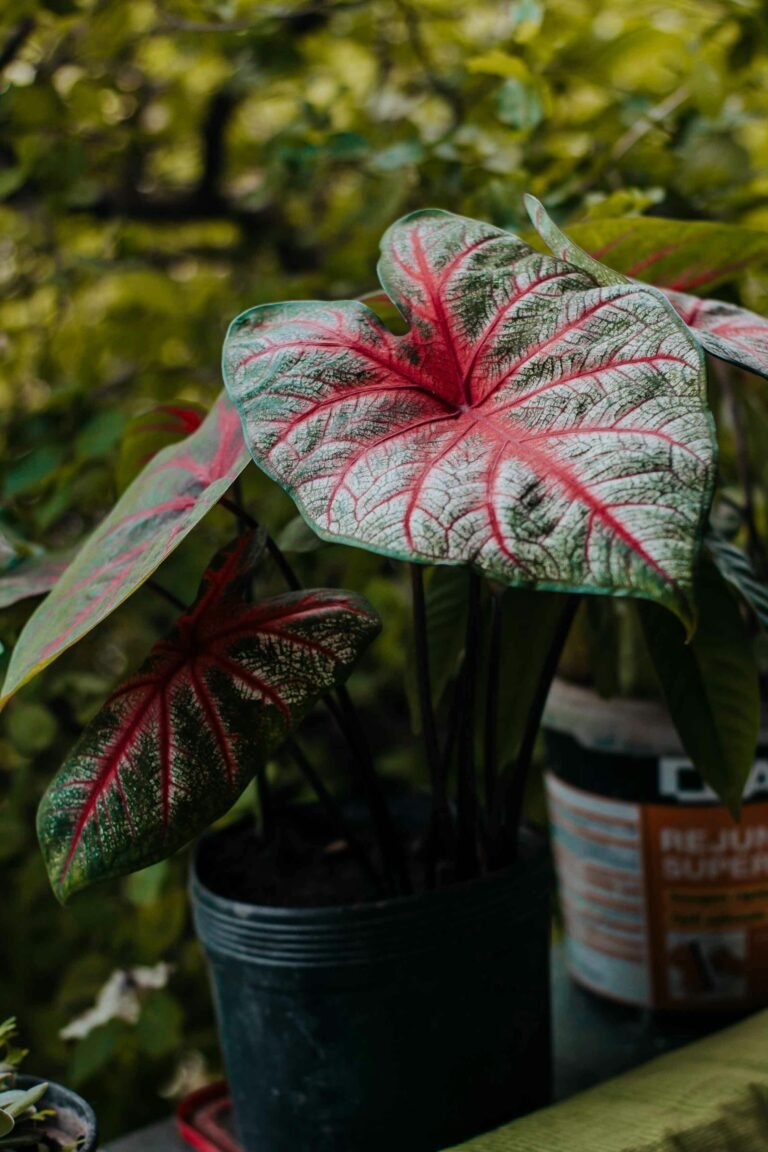
Caladium Pink Splash
Heart-shaped pink-veined leaves that glow under candlelight for a ghostly look.
From caladiums to anthuriums — discover pink tropical plants that thrive indoors and in warm gardens.
Pink tropical plants bring bold color to warm gardens and bright indoor spaces year-round. Whether you want dramatic caladium leaves, vivid anthurium spathes, or cascading bougainvillea, these plants thrive in warmth and humidity — and deliver some of the most intense pink color in the plant world.
Here’s your guide to 25 pink tropical plants — with care tips for indoors and warm-climate gardens.
Heart-shaped pink-veined leaves that glow under candlelight for a ghostly look.
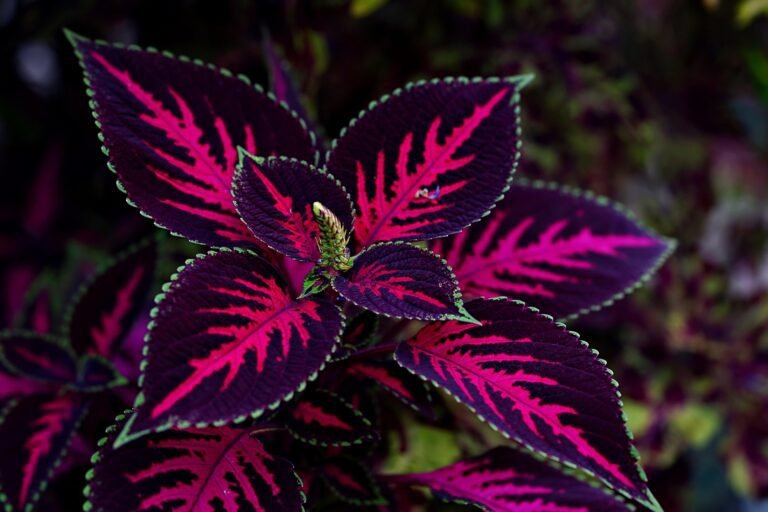
Deep magenta leaves outlined in black — natural Halloween drama in plant form.
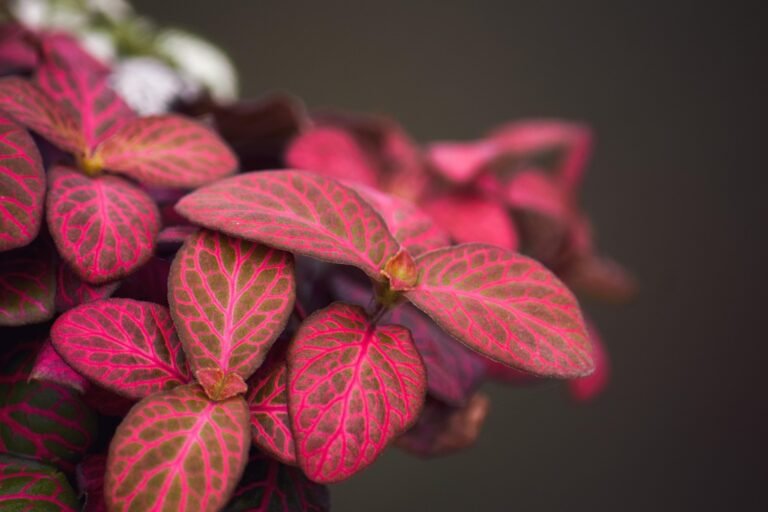
Delicate pink-veined leaves resembling spider webs glowing under candlelight.
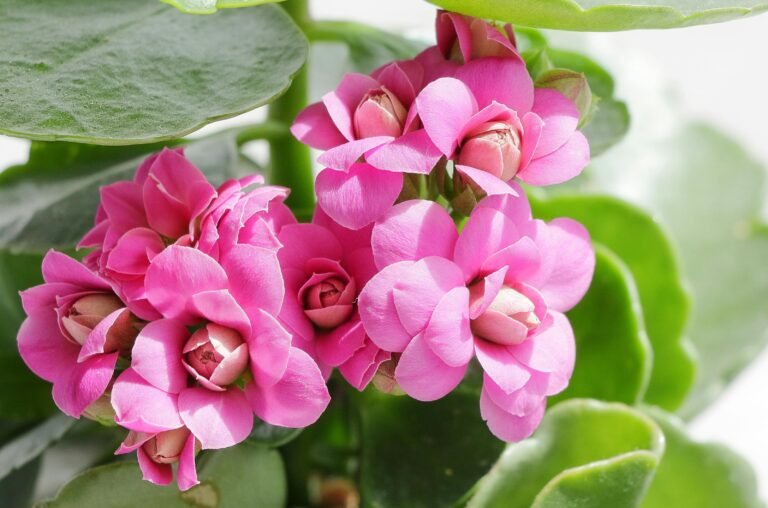
Soft pink blooms that glow under candlelight — a softer take on spooky decor.
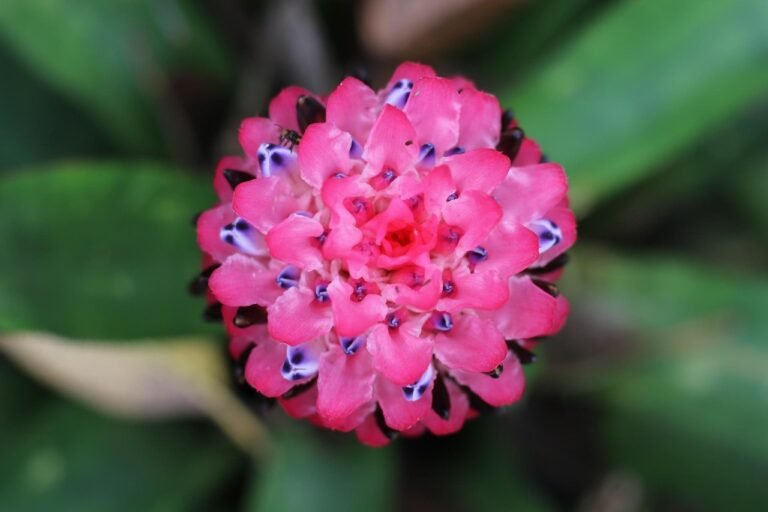
Center cup glows pink like a bubbling potion in a cauldron.
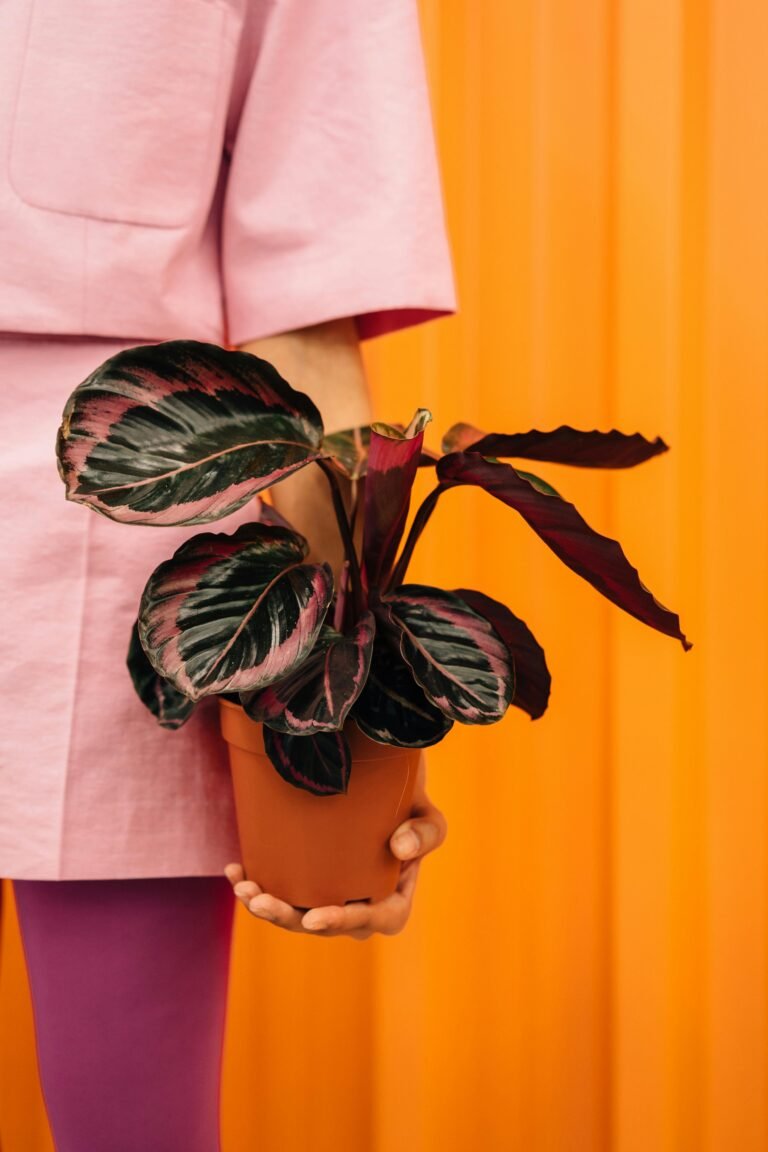
Dark, moody leaves brushed with pink — haunted elegance for interiors.
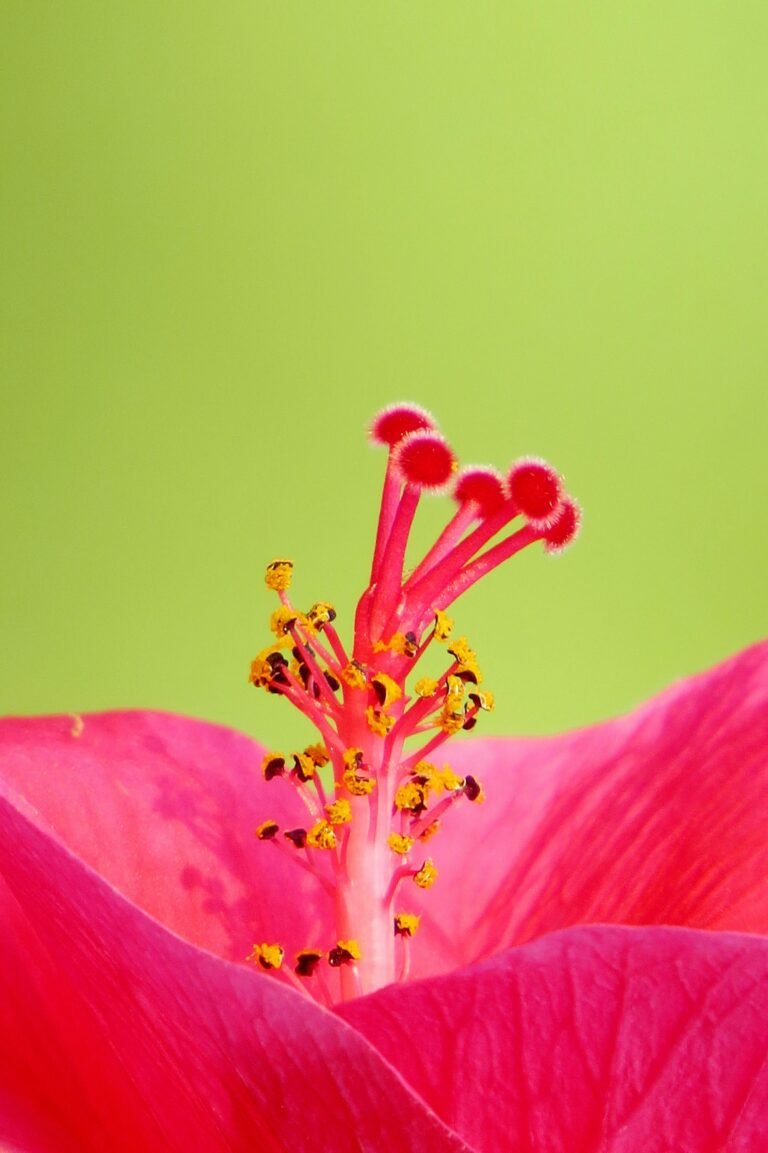
Pink Hibiscus (Hibiscus rosa-sinensis) is one of the most admired flowering shrubs in tropical and subtropical gardens. Its large pink blossoms stand out vividly against deep green foliage, adding an elegant and exotic character to any landscape. Known as the China Rose, this plant is beloved for its consistent flowering, lush appearance, and adaptability to both containers and open ground. With proper care and sunlight, it can bloom nearly all year in tropical climates, making it a staple in ornamental gardening.
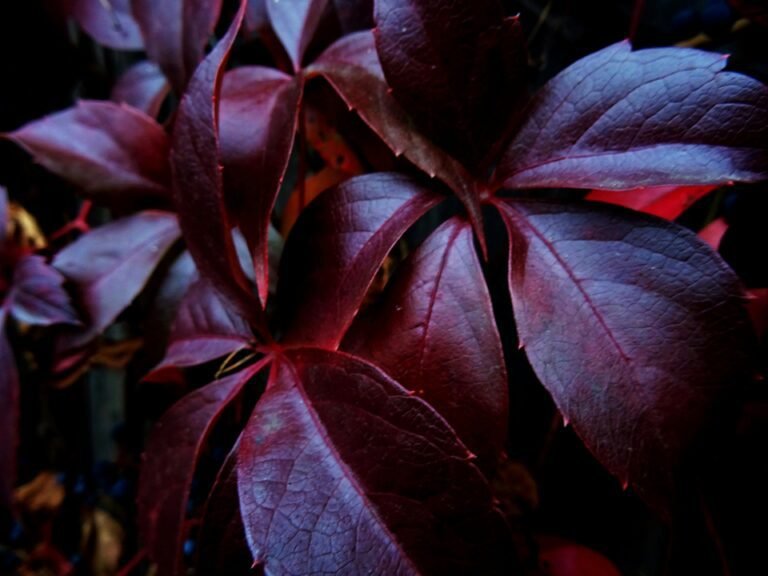
Copperleaf (Acalypha wilkesiana) is a vibrant tropical shrub admired for its colorful foliage that blends pink, copper, and bronze tones. Known commonly as Jacob’s Coat, it is native to the Pacific Islands and has been cultivated across tropical regions for centuries. Its richly patterned leaves and easy growth habit make it a favorite for hedges, borders, and decorative plantings. When grown in warm and sunny conditions, the Copperleaf retains its striking color throughout the year, making it one of the most reliable plants for adding long-lasting color to the garden. It thrives in humidity and appreciates moderate watering, well-draining soil, and regular trimming to maintain its shape and encourage dense growth.
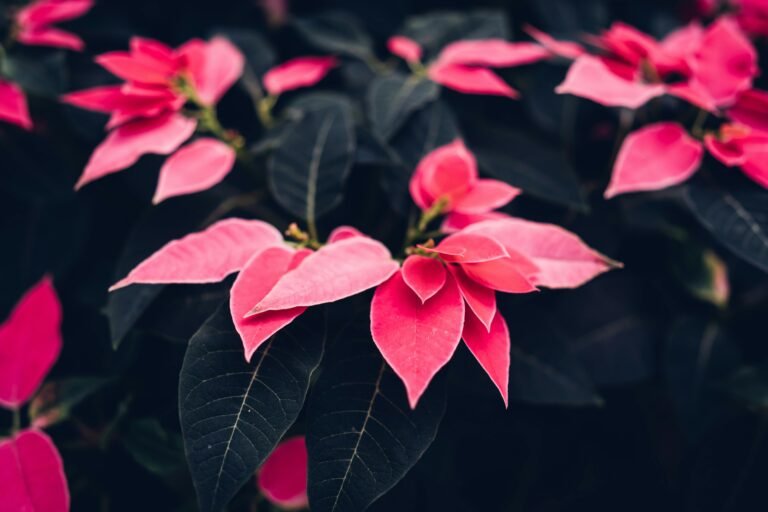
Poinsettia (Euphorbia pulcherrima) is a celebrated tropical shrub admired for its vivid pink and red bracts that bring life to winter landscapes and festive interiors. Known commonly as the Christmas Star, it has become one of the most iconic ornamental plants worldwide. Native to Mexico and Central America, it thrives in warm climates with filtered sunlight and consistent moisture. Its striking bracts, which are often mistaken for petals, frame small yellow flowers at the center and symbolize cheer during the colder months. The Poinsettia’s structure and seasonal brilliance make it a versatile choice for garden borders, decorative pots, or as a focal point in interior displays. Cultivation success relies on maintaining warmth, avoiding drafts, and ensuring the balance between light and moisture is just right, which makes it both a rewarding and educational species for growers and enthusiasts.
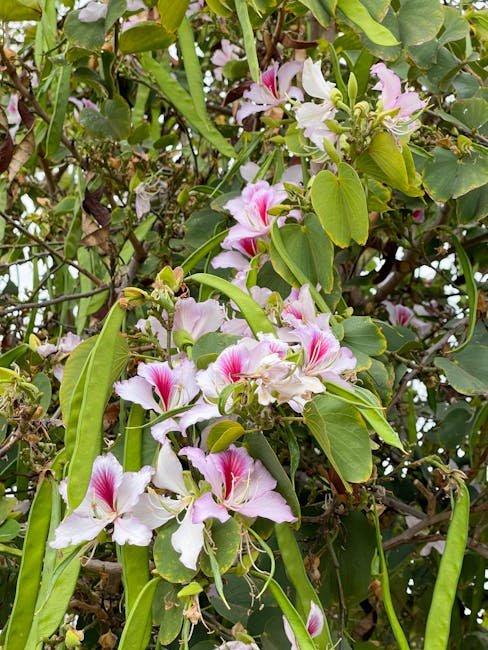
Admired for its variegated pink and white petals and an approachable habit, Orchid tree (pink) (Bauhinia variegata) is a flowers prized by gardeners across the United States. Blooming in spring-summer, this plant adds a soft romantic touch in shaded gardens. Its petals are often described as deep rose-pink hues, and varieties range from compact groundcovers to larger specimen plants. Gardeners appreciate it for its dependable bloom display and ease of care in the right conditions, and it’s commonly available in nurseries and garden centers. When selecting a planting location, look for a site with good soil and the correct light exposure to bring out the best color and floriferousness. Overall, this pink variety delivers both aesthetic appeal and reliable garden performance, whether used in mixed borders, containers, or as a standout specimen. It also suits cutting gardens and adds seasonal interest to sunny or partly shaded beds.
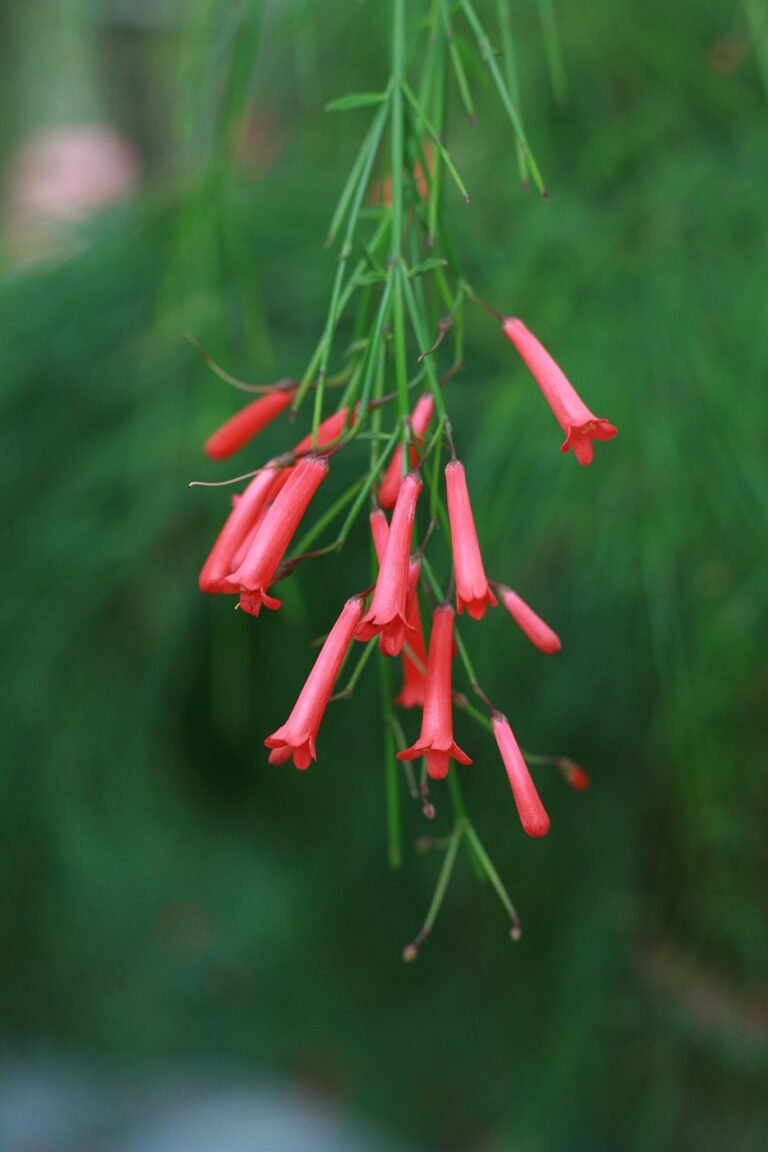
Admired for its delicate blush pink petals and an approachable habit, Firecracker plant (pink forms) (Russelia equisetiformis) is a flowers prized by gardeners across the United States. Blooming in spring-summer, this plant is a reliable performer for containers and patio displays. Its petals are often described as soft pastel pinks, and varieties range from compact groundcovers to larger specimen plants. Gardeners appreciate it for its dependable bloom display and ease of care in the right conditions, and it’s commonly available in nurseries and garden centers. When selecting a planting location, look for a site with good soil and the correct light exposure to bring out the best color and floriferousness. Overall, this pink variety delivers both aesthetic appeal and reliable garden performance, whether used in mixed borders, containers, or as a standout specimen. With a little attention to soil and water, it rewards gardeners with a generous display every season.
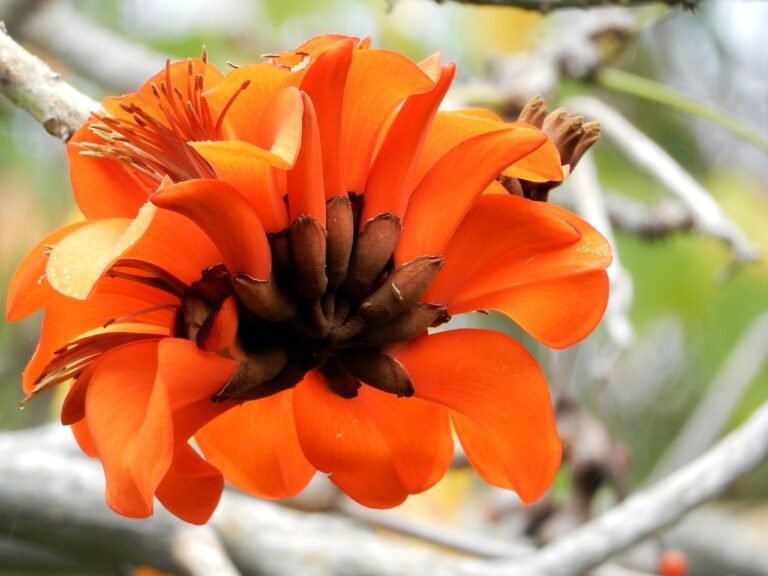
Renowned for its deep rose-pink hues and an approachable habit, Coral tree (pink) (Erythrina crista-galli) is a flowers prized by gardeners across the United States. Blooming in spring-summer, this plant brings bright, uplifting color to cottage and formal gardens. Its petals are often described as soft pastel pinks, and varieties range from compact groundcovers to larger specimen plants. Gardeners appreciate it for its dependable bloom display and ease of care in the right conditions, and it’s commonly available in nurseries and garden centers. When selecting a planting location, look for a site with good soil and the correct light exposure to bring out the best color and floriferousness. Overall, this pink variety delivers both aesthetic appeal and reliable garden performance, whether used in mixed borders, containers, or as a standout specimen. With a little attention to soil and water, it rewards gardeners with a generous display every season.
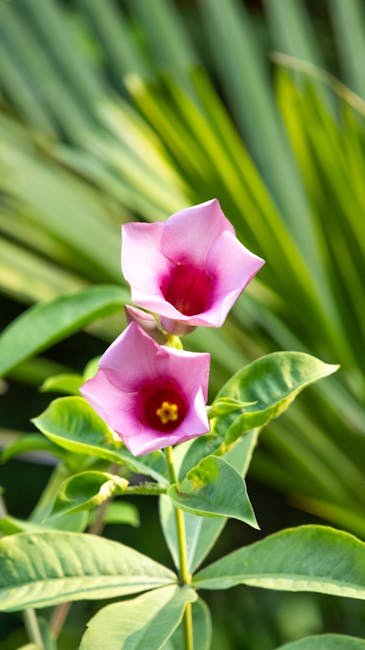
Esteemed for its vivid magenta tones and an approachable habit, Mandevilla (pink) (Mandevilla × amabilis) is a flowers prized by gardeners across the United States. Blooming in spring-summer, this plant is a classic choice for mass plantings and cut flowers. Its petals are often described as vivid magenta tones, and varieties range from compact groundcovers to larger specimen plants. Gardeners appreciate it for its dependable bloom display and ease of care in the right conditions, and it’s commonly available in nurseries and garden centers. When selecting a planting location, look for a site with good soil and the correct light exposure to bring out the best color and floriferousness. Overall, this pink variety delivers both aesthetic appeal and reliable garden performance, whether used in mixed borders, containers, or as a standout specimen. With a little attention to soil and water, it rewards gardeners with a generous display every season.
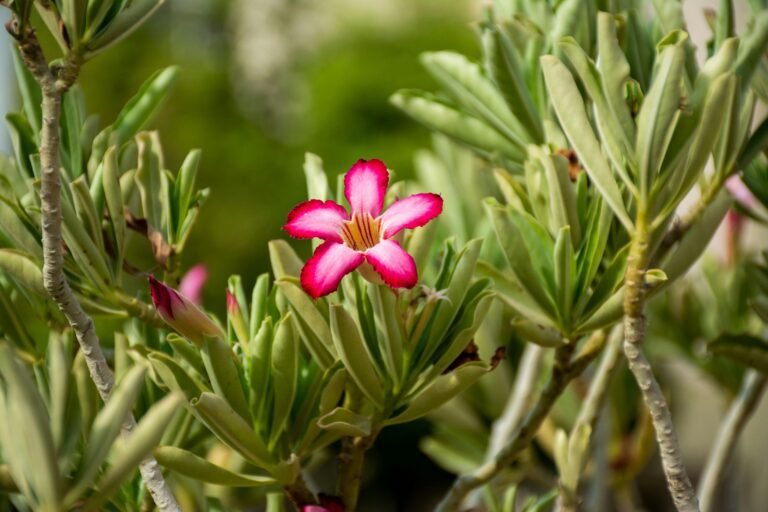
Desert Rose (Adenium obesum) is a striking tropical succulent shrub known for its swollen trunk base and trumpet-shaped pink flowers. Native to arid regions of Africa and the Arabian Peninsula, it combines sculptural form with delicate blossoms. Often called Mock Azalea, it is highly valued as a container plant and a focal specimen in warm landscapes. The plant’s unique combination of resilience, beauty, and minimal water needs makes it ideal for dry gardens and sun-drenched patios.
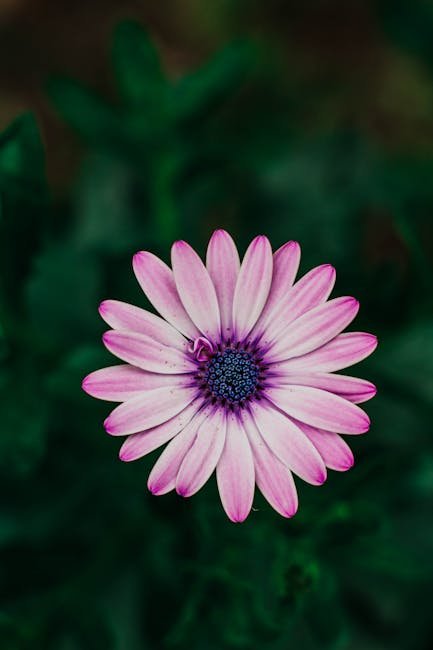
Admired for its soft pastel pinks and an approachable habit, Moroccan daisy (Rhodanthemum hosmariense) is a flowers prized by gardeners across the United States. Blooming in spring-summer, this plant is a reliable performer for containers and patio displays. Its petals are often described as delicate blush pink petals, and varieties range from compact groundcovers to larger specimen plants. Gardeners appreciate it for its dependable bloom display and ease of care in the right conditions, and it’s commonly available in nurseries and garden centers. When selecting a planting location, look for a site with good soil and the correct light exposure to bring out the best color and floriferousness. Overall, this pink variety delivers both aesthetic appeal and reliable garden performance, whether used in mixed borders, containers, or as a standout specimen. Varieties differ in size and bloom habit, but most are straightforward to grow with basic care.
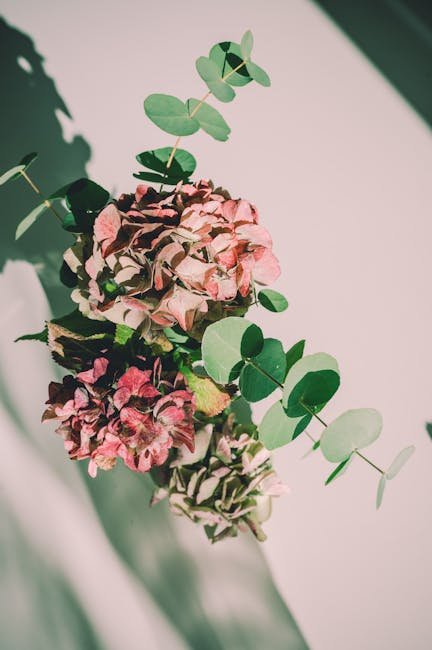
Esteemed for its delicate blush pink petals and an approachable habit, Rose gum (pink new foliage) (Eucalyptus globulus ‘Rosea’) is a flowers prized by gardeners across the United States. Blooming in spring-summer, this plant is a reliable performer for containers and patio displays. Its petals are often described as deep rose-pink hues, and varieties range from compact groundcovers to larger specimen plants. Gardeners appreciate it for its dependable bloom display and ease of care in the right conditions, and it’s commonly available in nurseries and garden centers. When selecting a planting location, look for a site with good soil and the correct light exposure to bring out the best color and floriferousness. Overall, this pink variety delivers both aesthetic appeal and reliable garden performance, whether used in mixed borders, containers, or as a standout specimen. With a little attention to soil and water, it rewards gardeners with a generous display every season.
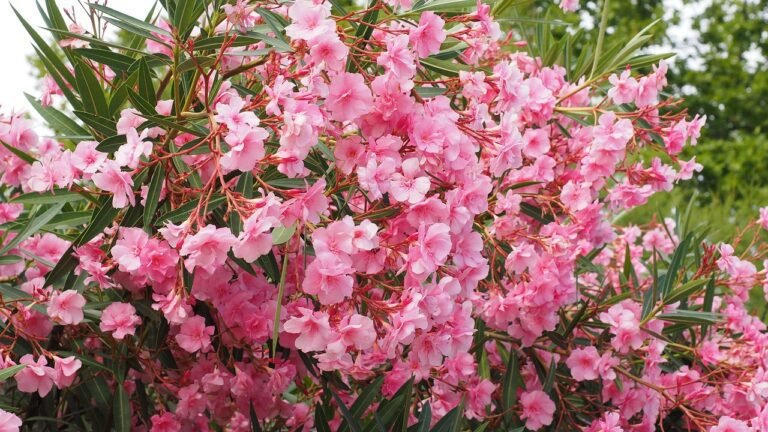
Renowned for its vivid magenta tones and an approachable habit, Oleander (pink) (Nerium oleander) is a flowers prized by gardeners across the United States. Blooming in spring-summer, this plant is a reliable performer for containers and patio displays. Its petals are often described as vivid magenta tones, and varieties range from compact groundcovers to larger specimen plants. Gardeners appreciate it for its dependable bloom display and ease of care in the right conditions, and it’s commonly available in nurseries and garden centers. When selecting a planting location, look for a site with good soil and the correct light exposure to bring out the best color and floriferousness. Overall, this pink variety delivers both aesthetic appeal and reliable garden performance, whether used in mixed borders, containers, or as a standout specimen. With a little attention to soil and water, it rewards gardeners with a generous display every season.
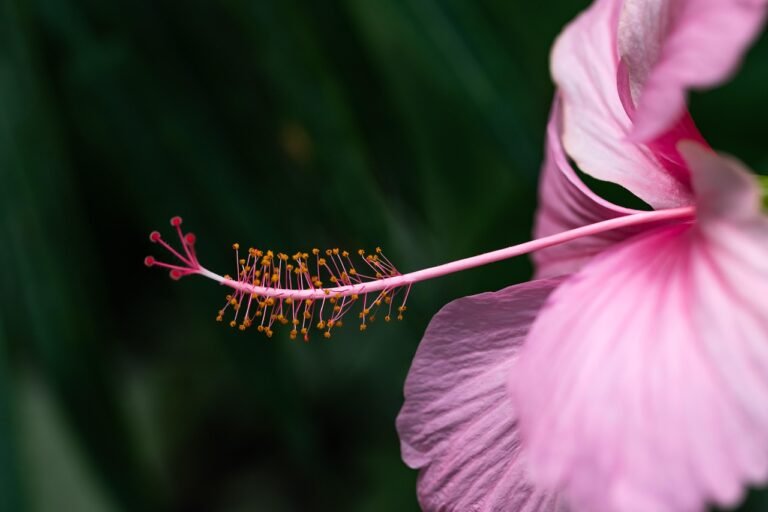
Beloved for its delicate blush pink petals and an approachable habit, Tropical hibiscus (pink) (Hibiscus rosa-sinensis) is a flowers prized by gardeners across the United States. Blooming in spring-summer, this plant is a classic choice for mass plantings and cut flowers. Its petals are often described as deep rose-pink hues, and varieties range from compact groundcovers to larger specimen plants. Gardeners appreciate it for its dependable bloom display and ease of care in the right conditions, and it’s commonly available in nurseries and garden centers. When selecting a planting location, look for a site with good soil and the correct light exposure to bring out the best color and floriferousness. Overall, this pink variety delivers both aesthetic appeal and reliable garden performance, whether used in mixed borders, containers, or as a standout specimen. Varieties differ in size and bloom habit, but most are straightforward to grow with basic care.
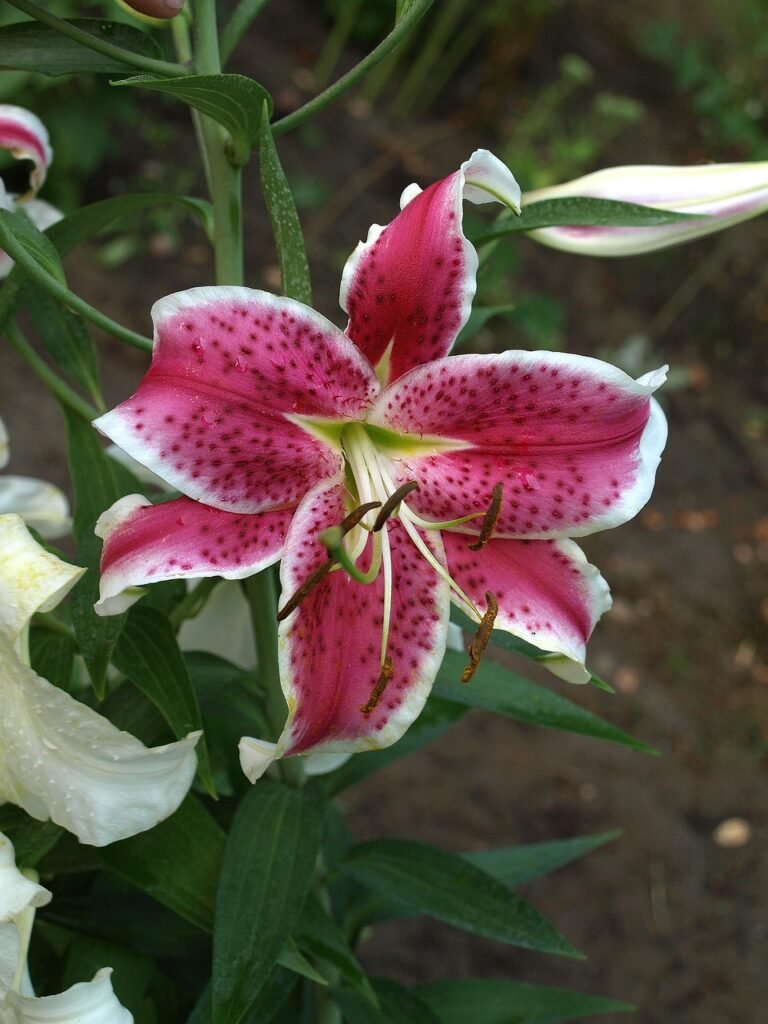
Oriental Lily (Lilium oriental hybrids) is a distinguished plant celebrated for its unique ornamental features and horticultural value. Often known by names such as Oriental Lily, Pink Oriental Lily, this species is prized for its striking foliage, vibrant flowers, or distinctive growth habit. Native to Mediterranean, it has adapted to specific environmental conditions but has proven to be a versatile addition to gardens and indoor collections worldwide. Successful cultivation depends on providing conditions that mimic its natural habitat, particularly regarding Partial Shade and Medium. Its structural form and visual appeal make it a focal point in landscape design, container gardening, or as a standalone specimen. Beyond its beauty, Oriental Lily offers a rewarding experience for the diligent gardener, showcasing seasonal changes and steady growth when its fundamental needs for light, water, and proper soil are met, making it a subject of interest for both botanists and hobbyists.
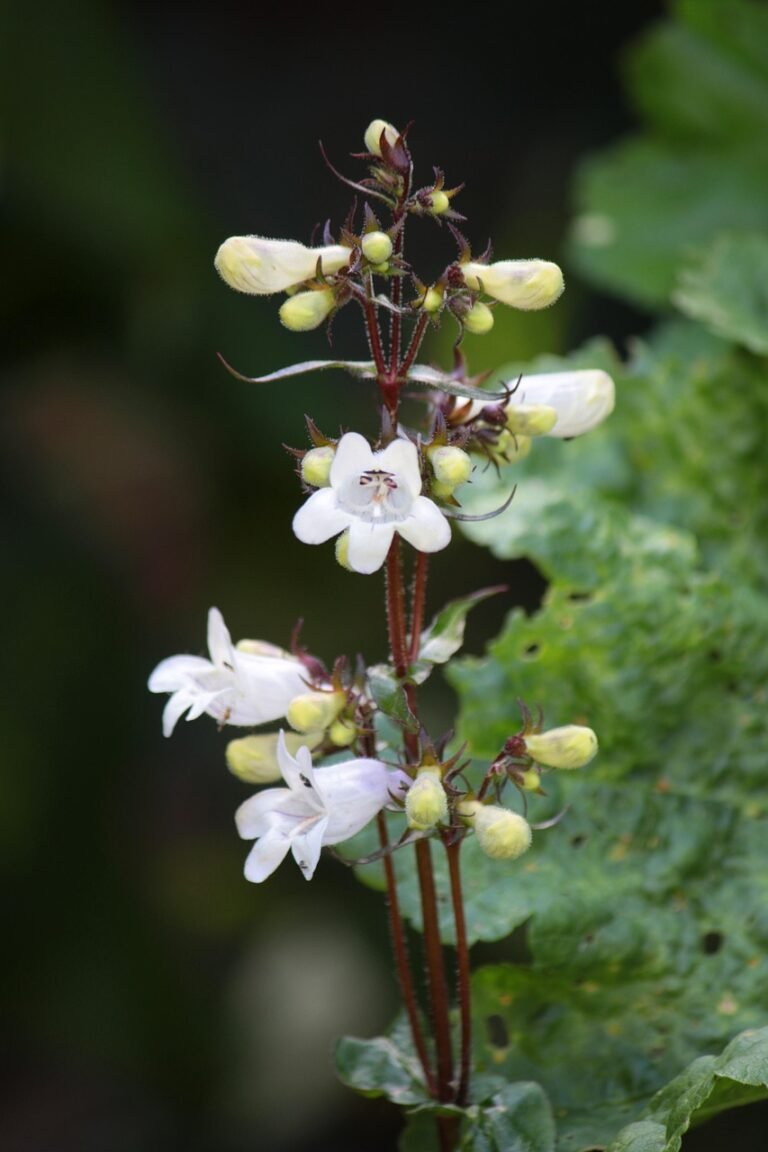
Penstemon (Penstemon × mexicali “Pikes Peak Pink”) is a distinguished plant celebrated for its unique ornamental features and horticultural value. Often known by names such as , this species is prized for its striking foliage, vibrant flowers, or distinctive growth habit. Native to Mediterranean, it has adapted to specific environmental conditions but has proven to be a versatile addition to gardens and indoor collections worldwide. Successful cultivation depends on providing conditions that mimic its natural habitat, particularly regarding Full Sun and Medium. Its structural form and visual appeal make it a focal point in landscape design, container gardening, or as a standalone specimen. Beyond its beauty, Penstemon offers a rewarding experience for the diligent gardener, showcasing seasonal changes and steady growth when its fundamental needs for light, water, and proper soil are met, making it a subject of interest for both botanists and hobbyists.
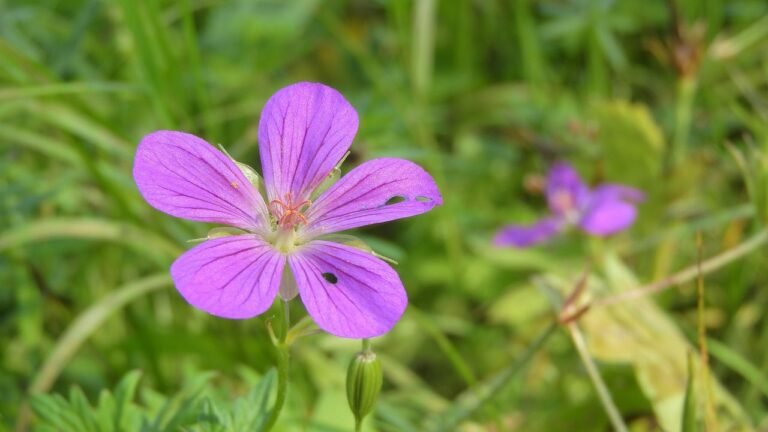
Hardy Geranium (Geranium sanguineum) is a distinguished plant celebrated for its unique ornamental features and horticultural value. Often known by names such as Hardy Geranium, Pink Geranium, this species is prized for its striking foliage, vibrant flowers, or distinctive growth habit. Native to Tropical, it has adapted to specific environmental conditions but has proven to be a versatile addition to gardens and indoor collections worldwide. Successful cultivation depends on providing conditions that mimic its natural habitat, particularly regarding Shade and Medium. Its structural form and visual appeal make it a focal point in landscape design, container gardening, or as a standalone specimen. Beyond its beauty, Hardy Geranium offers a rewarding experience for the diligent gardener, showcasing seasonal changes and steady growth when its fundamental needs for light, water, and proper soil are met, making it a subject of interest for both botanists and hobbyists.
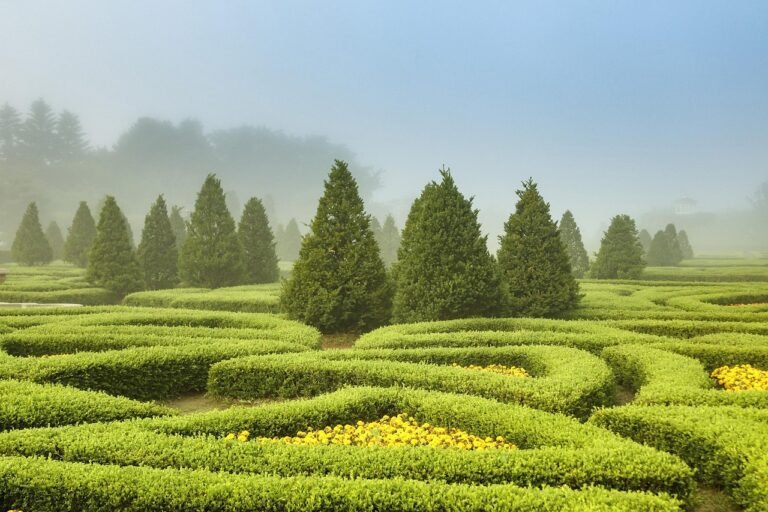
Pink Grapefruit Water Lily (Nymphaea “Pink Grapefruit”) is a distinguished plant celebrated for its unique ornamental features and horticultural value. Often known by names such as , this species is prized for its striking foliage, vibrant flowers, or distinctive growth habit. Native to Mediterranean, it has adapted to specific environmental conditions but has proven to be a versatile addition to gardens and indoor collections worldwide. Successful cultivation depends on providing conditions that mimic its natural habitat, particularly regarding Shade and Medium. Its structural form and visual appeal make it a focal point in landscape design, container gardening, or as a standalone specimen. Beyond its beauty, Pink Grapefruit Water Lily offers a rewarding experience for the diligent gardener, showcasing seasonal changes and steady growth when its fundamental needs for light, water, and proper soil are met, making it a subject of interest for both botanists and hobbyists.
Pink Sensation Water Lily (Nymphaea “Pink Sensation”) is a distinguished plant celebrated for its unique ornamental features and horticultural value. Often known by names such as , this species is prized for its striking foliage, vibrant flowers, or distinctive growth habit. Native to Mediterranean, it has adapted to specific environmental conditions but has proven to be a versatile addition to gardens and indoor collections worldwide. Successful cultivation depends on providing conditions that mimic its natural habitat, particularly regarding Partial Shade and Medium. Its structural form and visual appeal make it a focal point in landscape design, container gardening, or as a standalone specimen. Beyond its beauty, Pink Sensation Water Lily offers a rewarding experience for the diligent gardener, showcasing seasonal changes and steady growth when its fundamental needs for light, water, and proper soil are met, making it a subject of interest for both botanists and hobbyists.
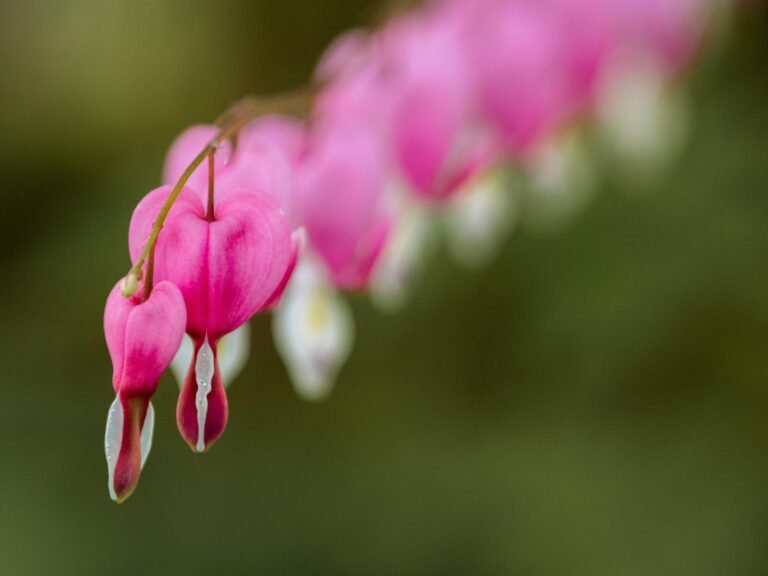
Bleeding Heart (Lamprocapnos spectabilis) is a distinguished plant celebrated for its unique ornamental features and horticultural value. Often known by names such as Bleeding Heart, Pink Bleeding Heart, this species is prized for its striking foliage, vibrant flowers, or distinctive growth habit. Native to Tropical, it has adapted to specific environmental conditions but has proven to be a versatile addition to gardens and indoor collections worldwide. Successful cultivation depends on providing conditions that mimic its natural habitat, particularly regarding Full Sun and Medium. Its structural form and visual appeal make it a focal point in landscape design, container gardening, or as a standalone specimen. Beyond its beauty, Bleeding Heart offers a rewarding experience for the diligent gardener, showcasing seasonal changes and steady growth when its fundamental needs for light, water, and proper soil are met, making it a subject of interest for both botanists and hobbyists.
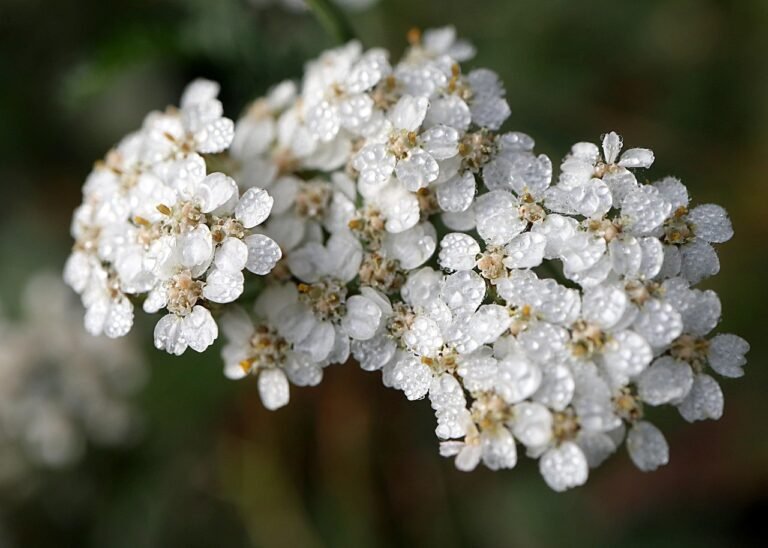
Pink Yarrow (Achillea millefolium) is a distinguished plant celebrated for its unique ornamental features and horticultural value. Often known by names such as Pink Yarrow, Pink Achillea, this species is prized for its striking foliage, vibrant flowers, or distinctive growth habit. Native to Mediterranean, it has adapted to specific environmental conditions but has proven to be a versatile addition to gardens and indoor collections worldwide. Successful cultivation depends on providing conditions that mimic its natural habitat, particularly regarding Full Sun and Medium. Its structural form and visual appeal make it a focal point in landscape design, container gardening, or as a standalone specimen. Beyond its beauty, Pink Yarrow offers a rewarding experience for the diligent gardener, showcasing seasonal changes and steady growth when its fundamental needs for light, water, and proper soil are met, making it a subject of interest for both botanists and hobbyists.
Pair bold-leafed anthuriums with sculptural pots for a statement corner. Group caladiums and tropical hibiscus at different heights to create a lush, layered display. White or terracotta planters let hot-pink blooms stand out without competing.