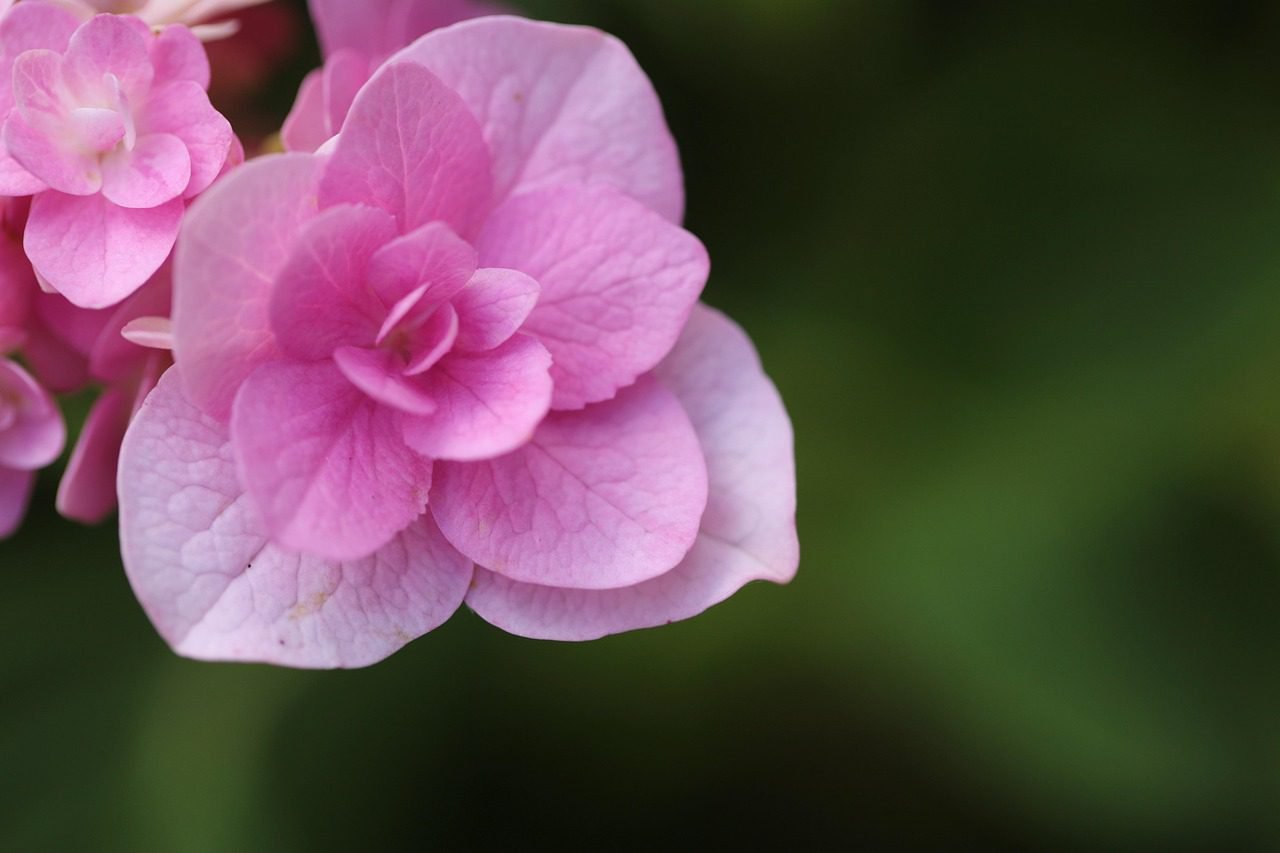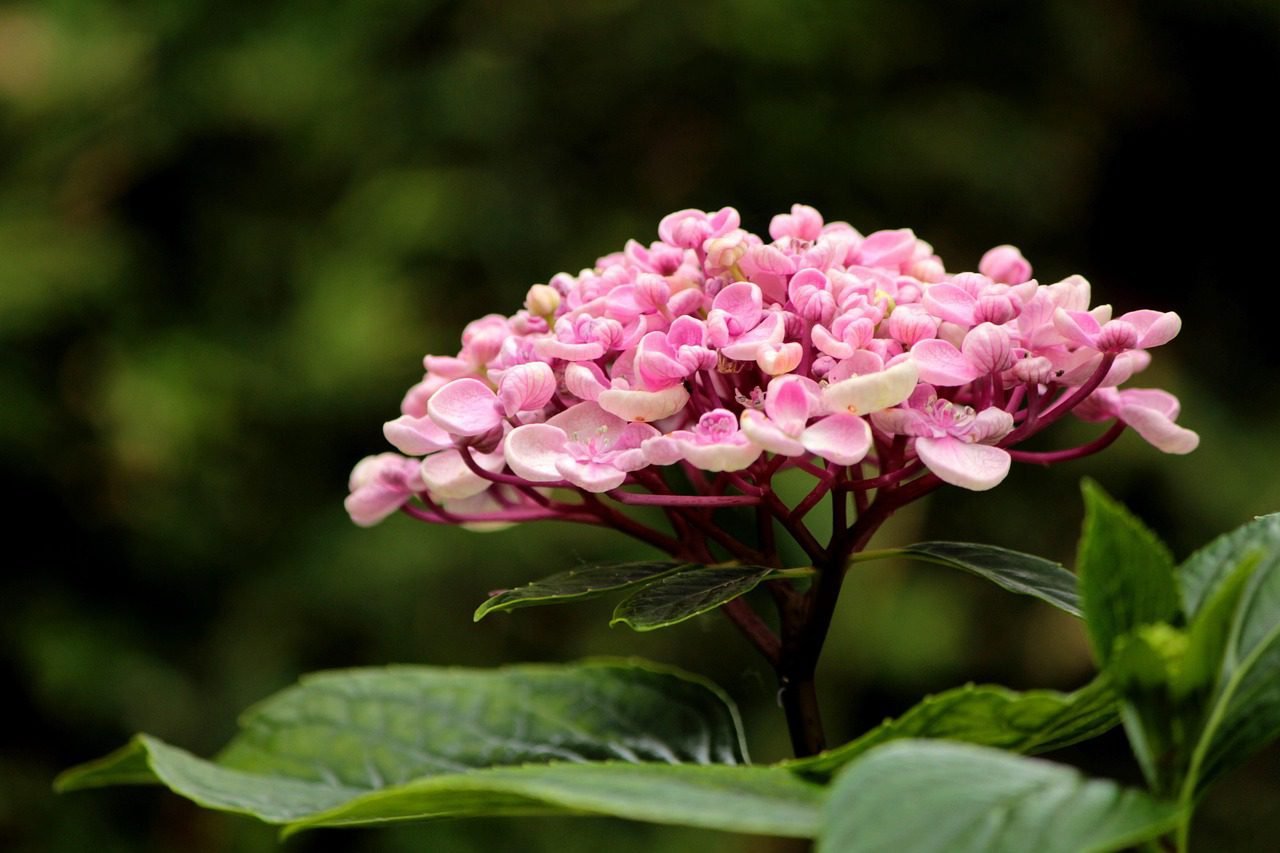
Bigleaf hydrangea (pink cultivars)
Hydrangea macrophylla
Plant Information
- 🏷️Common Names: Bigleaf hydrangea (pink cultivars)
- 💧Water Needs: moderate
- ☀️Sunlight: Full Sun
- 🌱Soil Type: Loamy, well-drained
- 🌿Propagation: Divide in spring, Stem cuttings, Sow seeds, Harden off
- 🪴Care Tips: Full sun, Well-drained soil, Moderate water, Fertilize in spring, Prune in late winter
Description
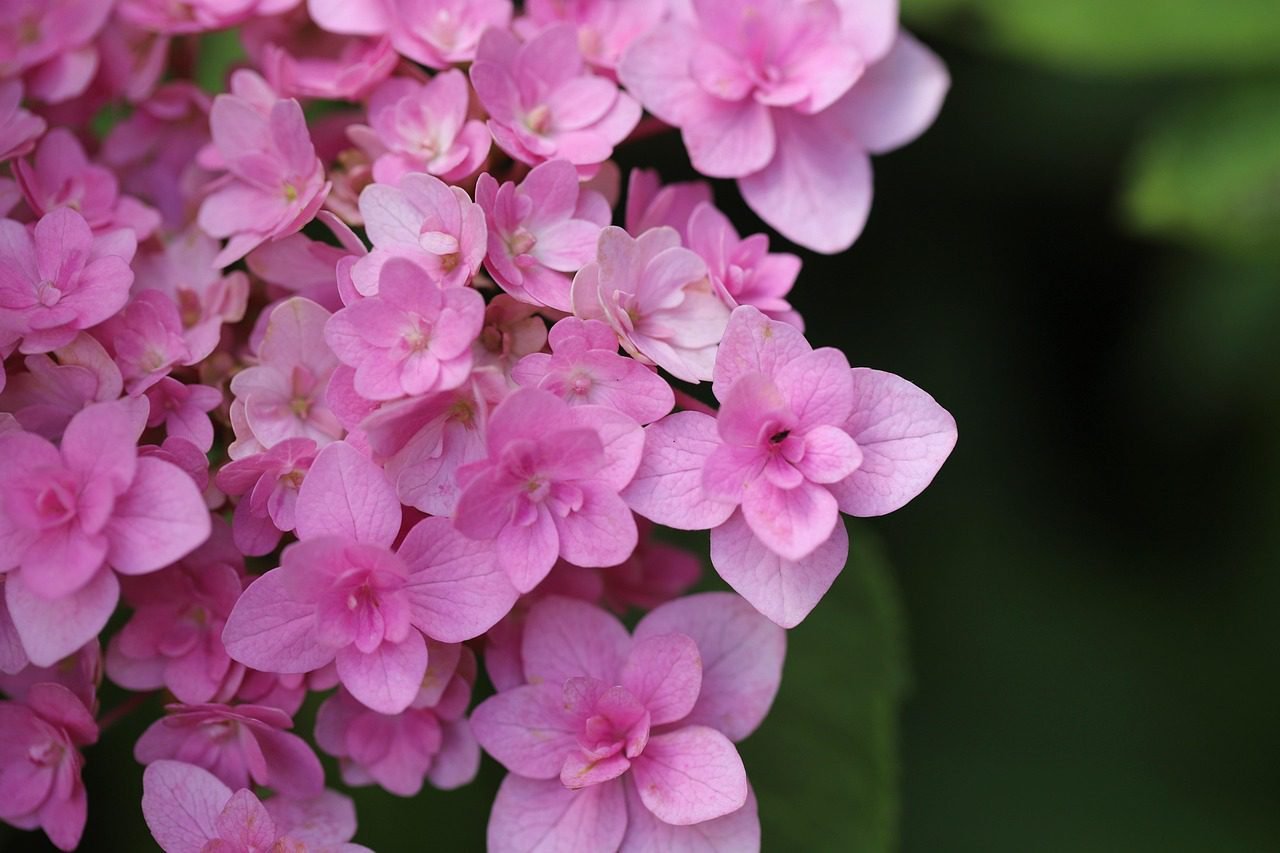
Bigleaf hydrangea (pink cultivars) (Hydrangea macrophylla) is a flowers distinguished by deep rose-pink hues. The plant forms a compact mound of foliage that sets the stage for the flower display each spring-summer. Individual blooms are notable for their texture and saturation, often lasting several days when conditions are favorable. Originating from regions where temperate climates prevail, this species has been selected over time for ornamental features and garden resilience. Horticultural selections emphasize bloom form, petal count and color intensity; modern cultivars exhibit a range of pink shades from pale blush to strong rose. Site selection greatly influences performance. In temperate conditions, choose Loamy, well-drained and a location that offers full sun exposure, as this helps balance foliage health and flower production. Soil preparation with organic matter and good
drainage will support vigorous root growth. Planting in spring or autumn allows the root system to establish before the most demanding seasons. Water regularly through the first year to develop a deep root system—moderate moisture is typical once established. Feed lightly in early spring with a balanced fertilizer and deadhead spent flowers to encourage extended bloom periods. In the landscape this plant excels as makes a striking focal point in borders and mixed beds. When layered with contrasting foliage or perennials, the pink blooms provide a gentle focal point and seasonal rhythm. Common issues are generally minor—watch for typical pests such as aphids or slugs in humid conditions, and diseases are usually prevented by good airflow and avoiding water on the leaves during watering. Practices like mulching, proper spacing and timely pruning mitigate most problems. Many named varieties
are available, each selected for habit or flower form. Seek cultivars noted for disease resistance and reliable color when shopping, and consult local nurseries for the best performers in your local climate. Beyond the summer bloom, the plant often contributes texture and structure to garden beds outside peak flowering time, with foliage and seedheads adding interest into autumn. Mulch around the base to conserve moisture and moderate soil temperatures, renewing mulch each year near the root zone. Mulch around the base to conserve moisture and moderate soil temperatures, renewing mulch each year near the root zone. Mulch around the base to conserve moisture and moderate soil temperatures, renewing mulch each year near the root zone. Mulch around the base to conserve moisture and moderate soil temperatures, renewing mulch each year near the root zone. Mulch around the base to conserve
moisture and moderate soil temperatures, renewing mulch each year near the root zone. Mulch around the base to conserve moisture and moderate soil temperatures, renewing mulch each year near the root zone. Mulch around the base to conserve moisture and moderate soil temperatures, renewing mulch each year near the root zone. Experienced gardeners note that early pruning after bloom can invigorate the next season’s display without reducing overall bloom production. When grown in containers, choose a pot that offers good drainage and provides enough volume for root growth, as container specimens will need slightly more frequent watering. When grown in containers, choose a pot that offers good drainage and provides enough volume for root growth, as container specimens will need slightly more frequent watering. Experienced gardeners note that early pruning after bloom can invigorate the next
season’s display without reducing overall bloom production. Mulch around the base to conserve moisture and moderate soil temperatures, renewing mulch each year near the root zone. When grown in containers, choose a pot that offers good drainage and provides enough volume for root growth, as container specimens will need slightly more frequent watering.
Care Tips
Full sun exposure is best for this plant—ensure it receives consistent light appropriate to the variety. Soil should be Loamy, well-drained; amend heavy clay with organic matter for improved drainage and root health. Maintain moderate moisture—deep, infrequent watering encourages deep roots. Fertilize in early spring with a balanced organic fertilizer and again lightly after peak bloom to support continued growth. Prune to shape after flowering; remove dead wood and thin congested growth to preserve airflow. Monitor for common pests and treat early; good sanitation and removing spent blooms reduces pest and disease pressure. Adjust watering in extreme heat or drought conditions to reduce stress. Avoid heavy late-season pruning which can stimulate tender new growth before winter. Adjust watering in extreme heat or drought conditions to reduce stress. A layer of mulch will help suppress weeds and keep roots cool. Adjust watering in extreme heat or drought conditions to reduce stress. Avoid heavy late-season pruning which can stimulate tender new growth before winter.
Propagation
Perennials and flowering plants are frequently propagated by division in spring or autumn, or by cuttings for many garden favorites. Seeds are also a common route for breeders and home seed-saving, though cultivars may not come true from seed. Keep new roots protected from direct sun until they establish, and harden off gradually before planting out. Provide bottom heat or a warm environment to encourage rooting for cuttings that are slow to form roots. Keep new roots protected from direct sun until they establish, and harden off gradually before planting out. Provide bottom heat or a warm environment to encourage rooting for cuttings that are slow to form roots. Provide bottom heat or a warm environment to encourage rooting for cuttings that are slow to form roots.
Gallery